
How to choose
Picking a military rucksack: capacity first, then webbing
Start with litres, not looks
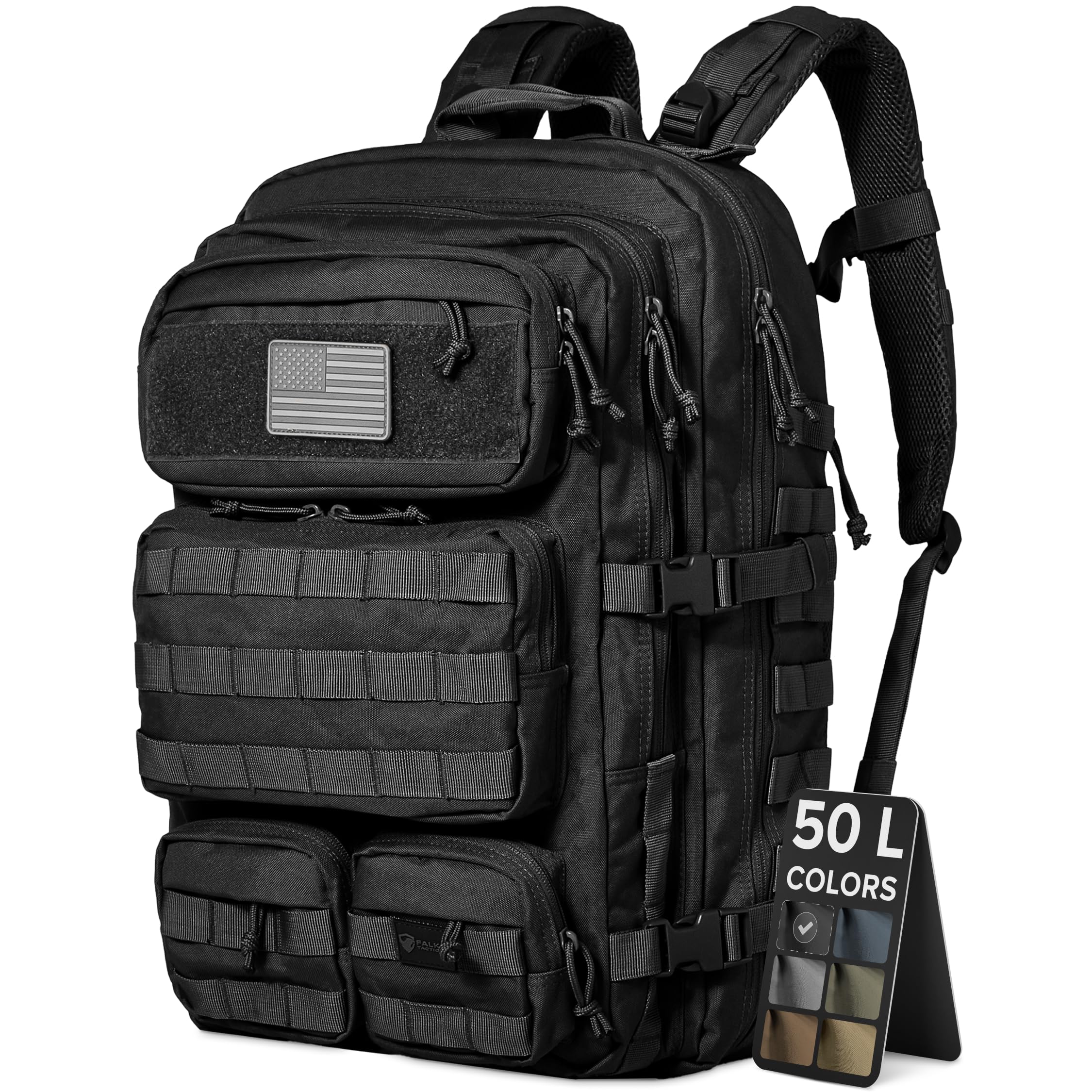
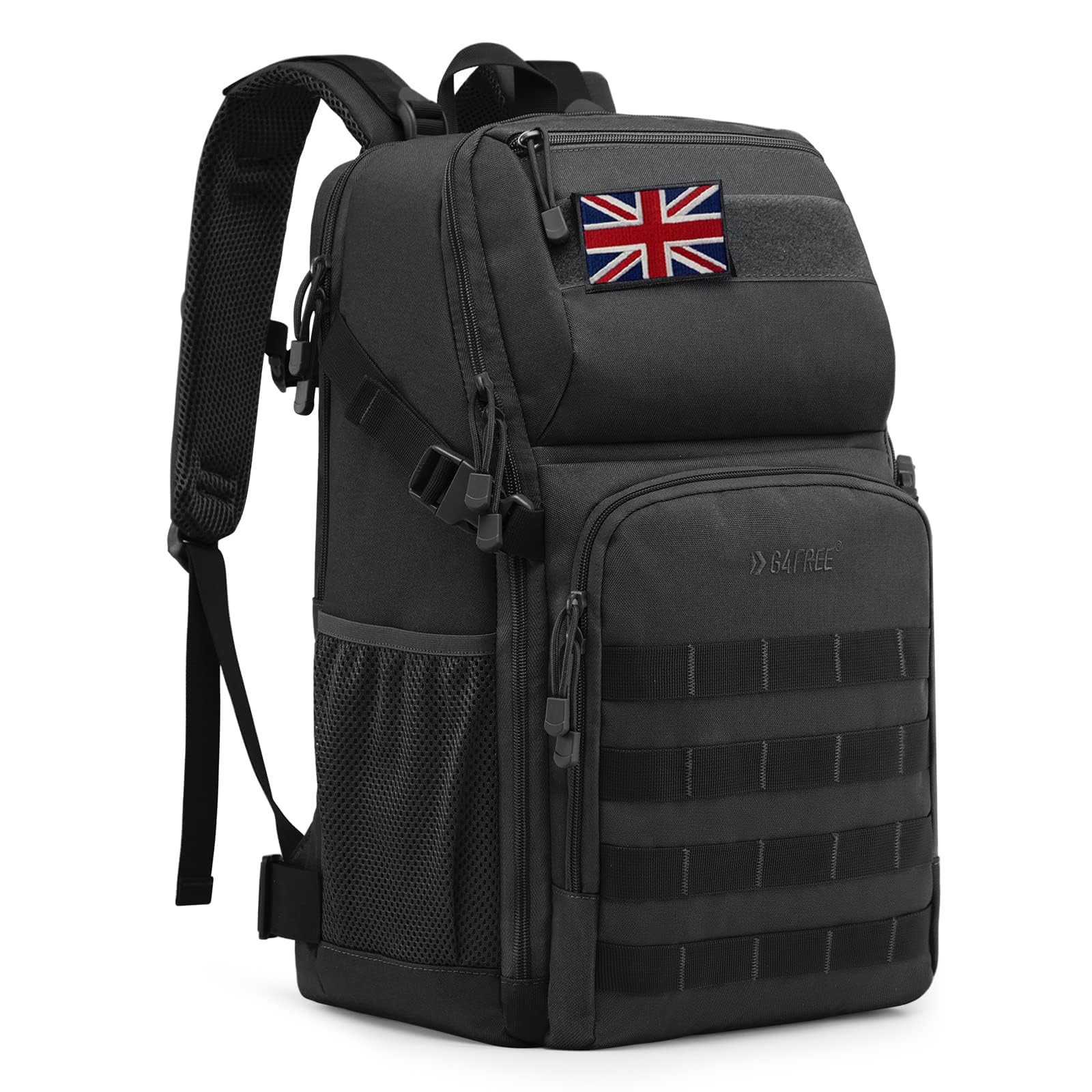
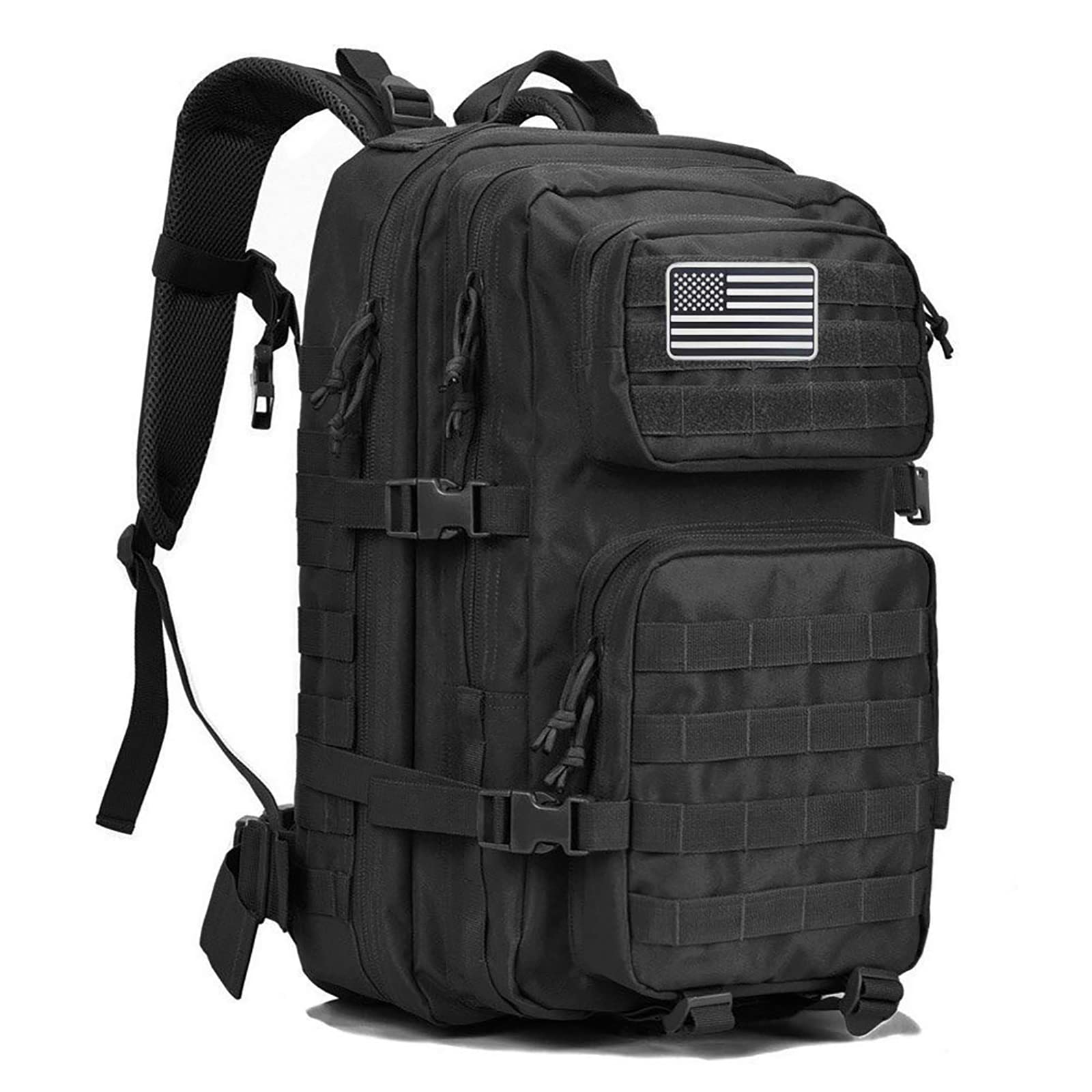
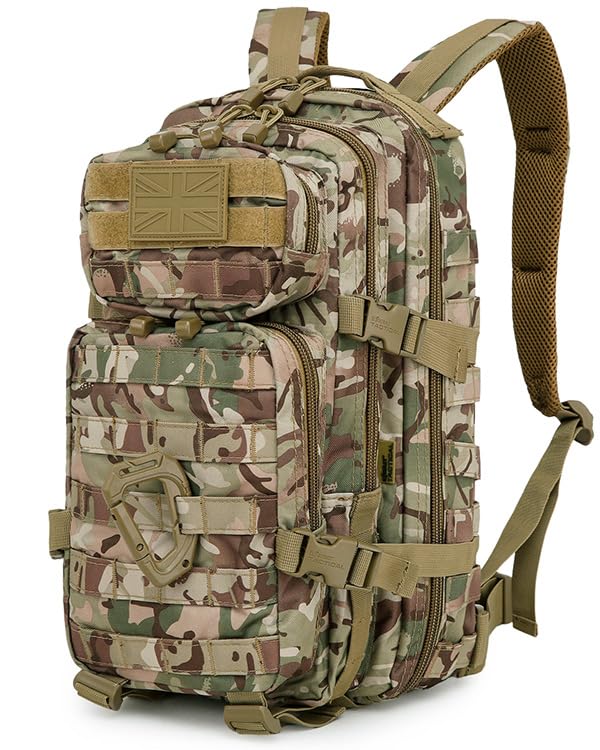
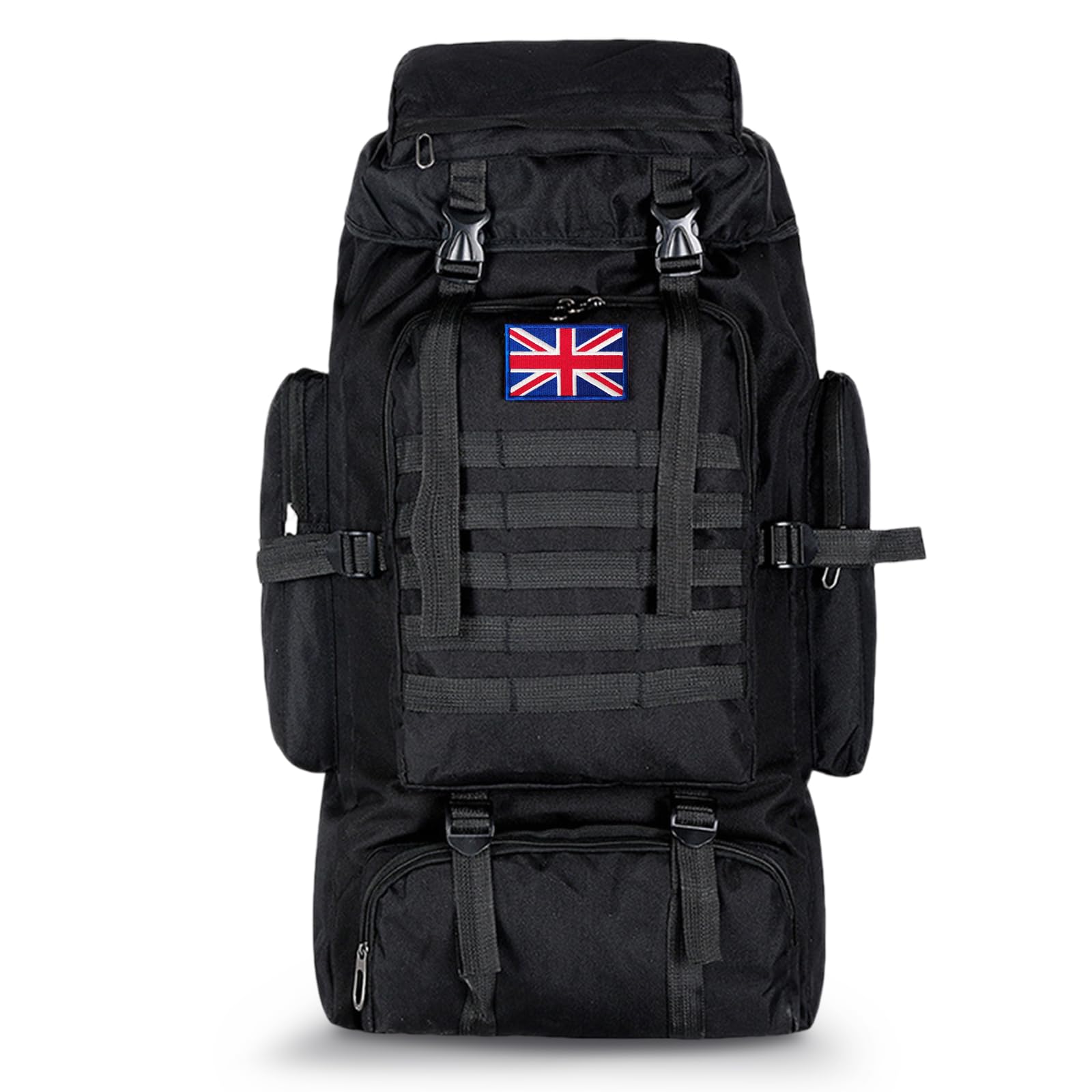
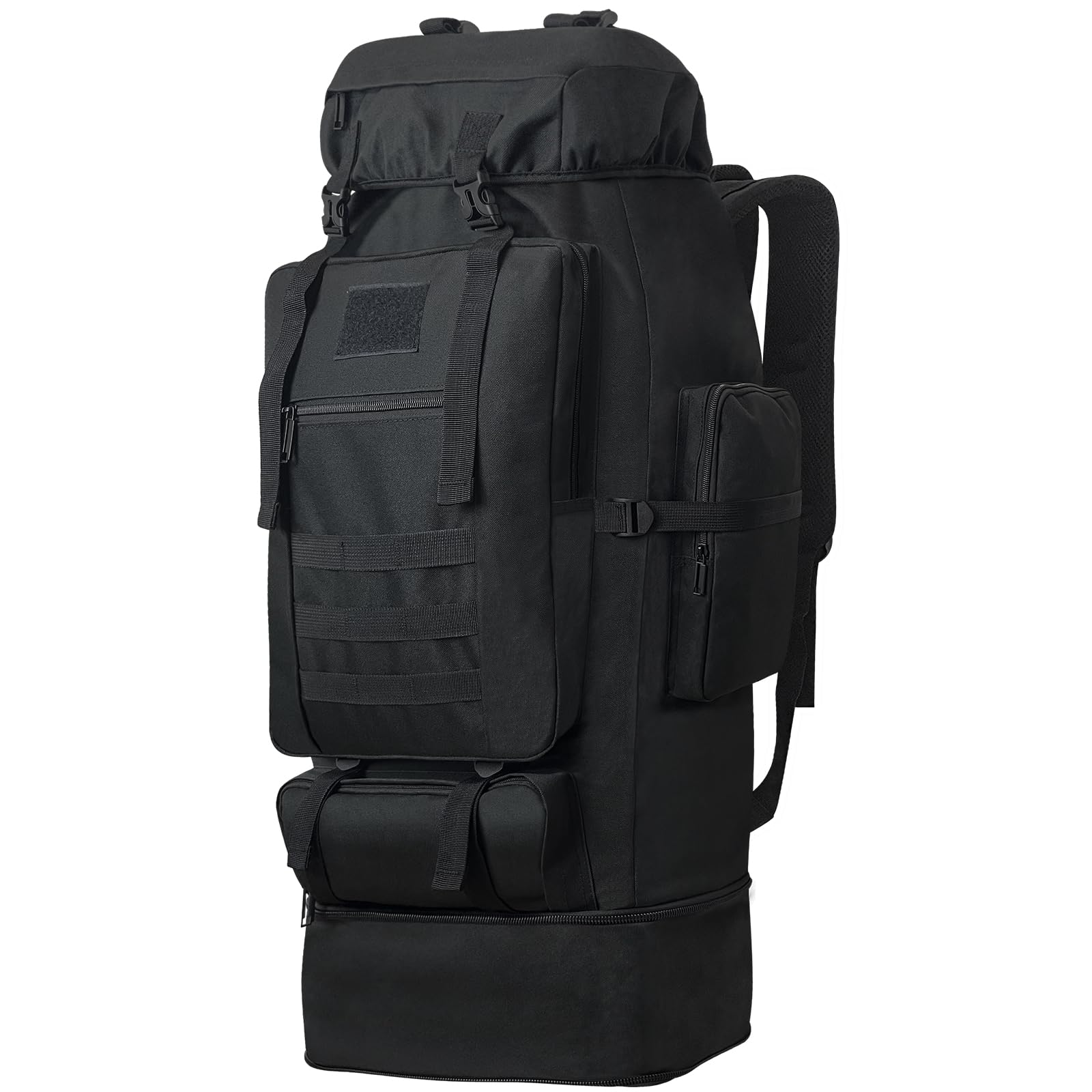
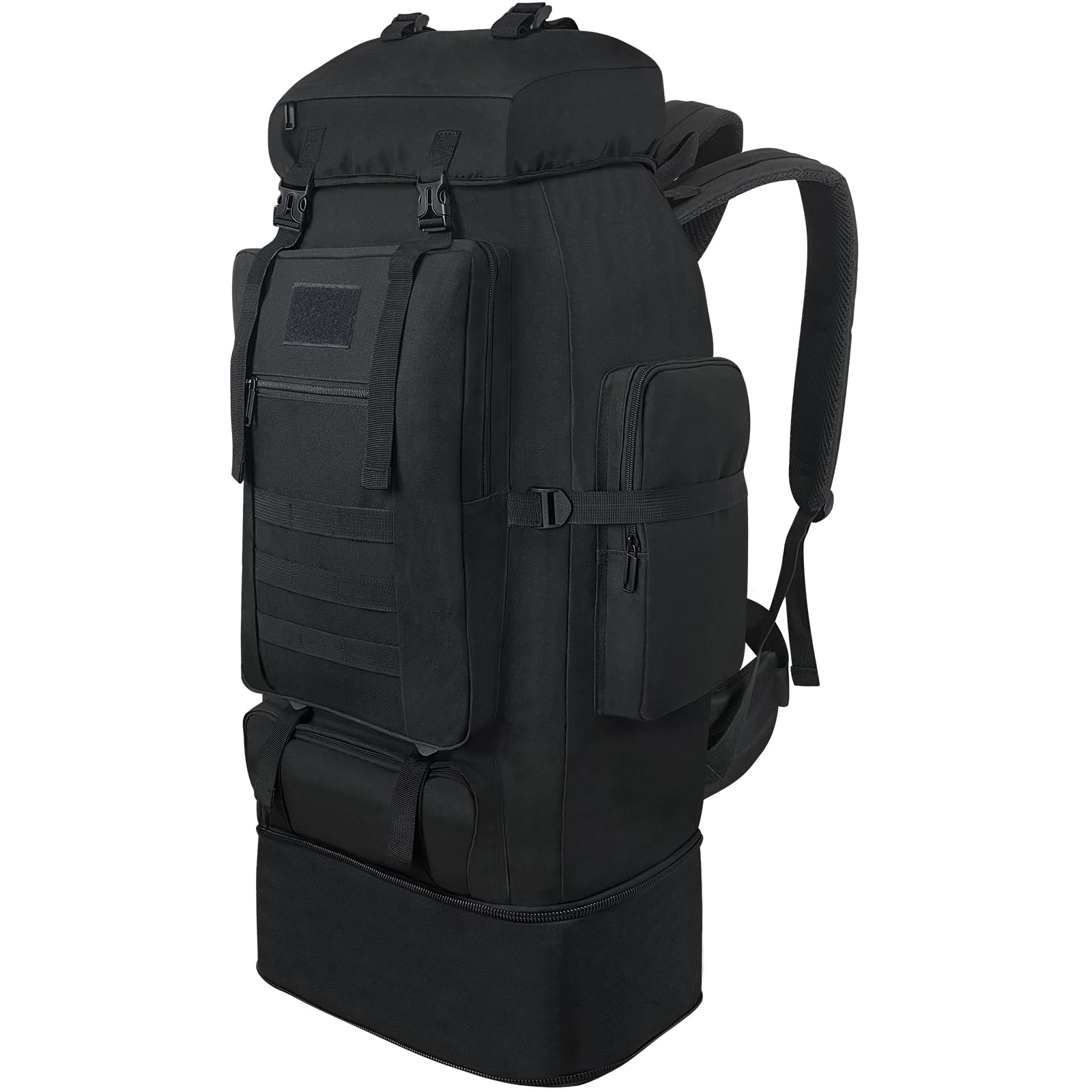
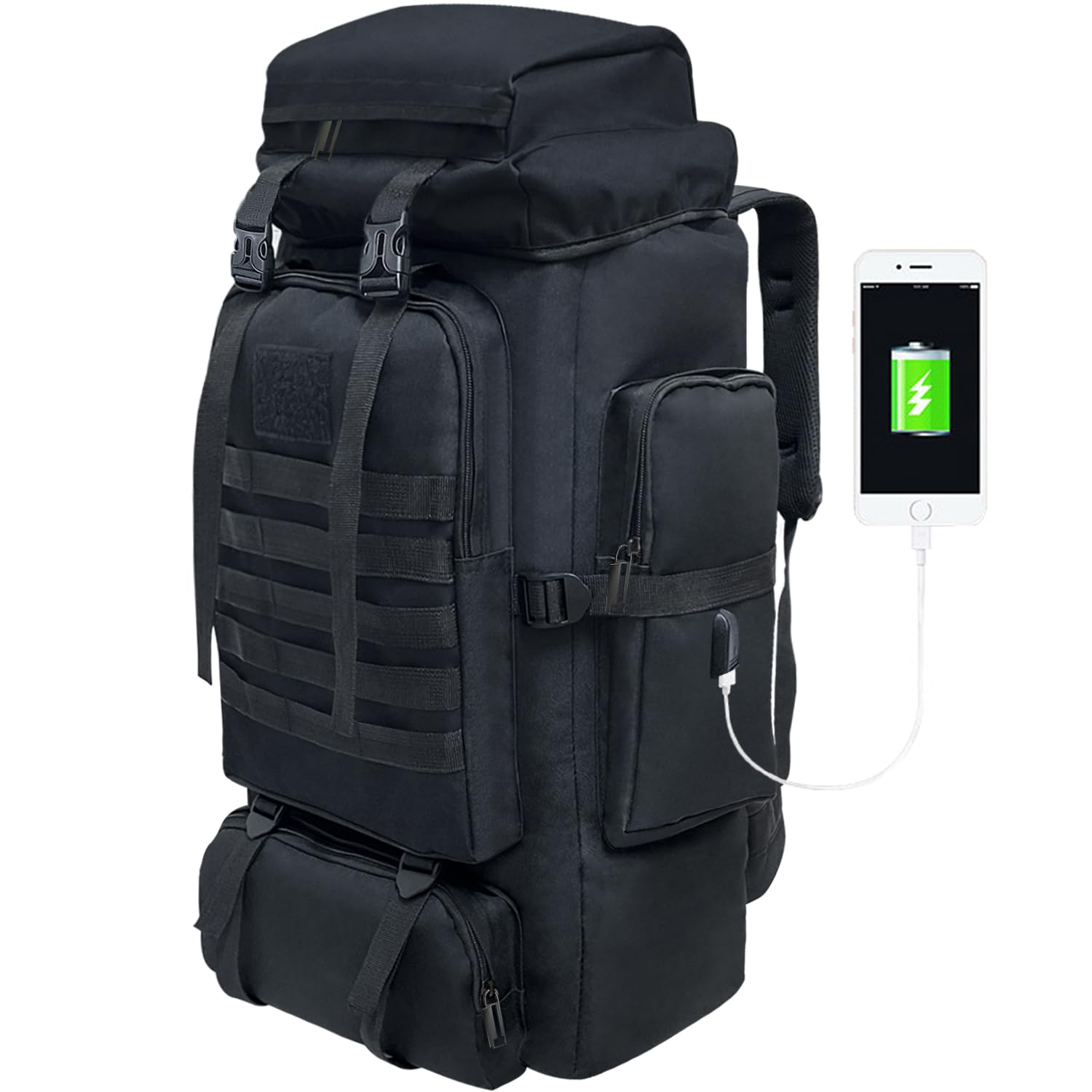
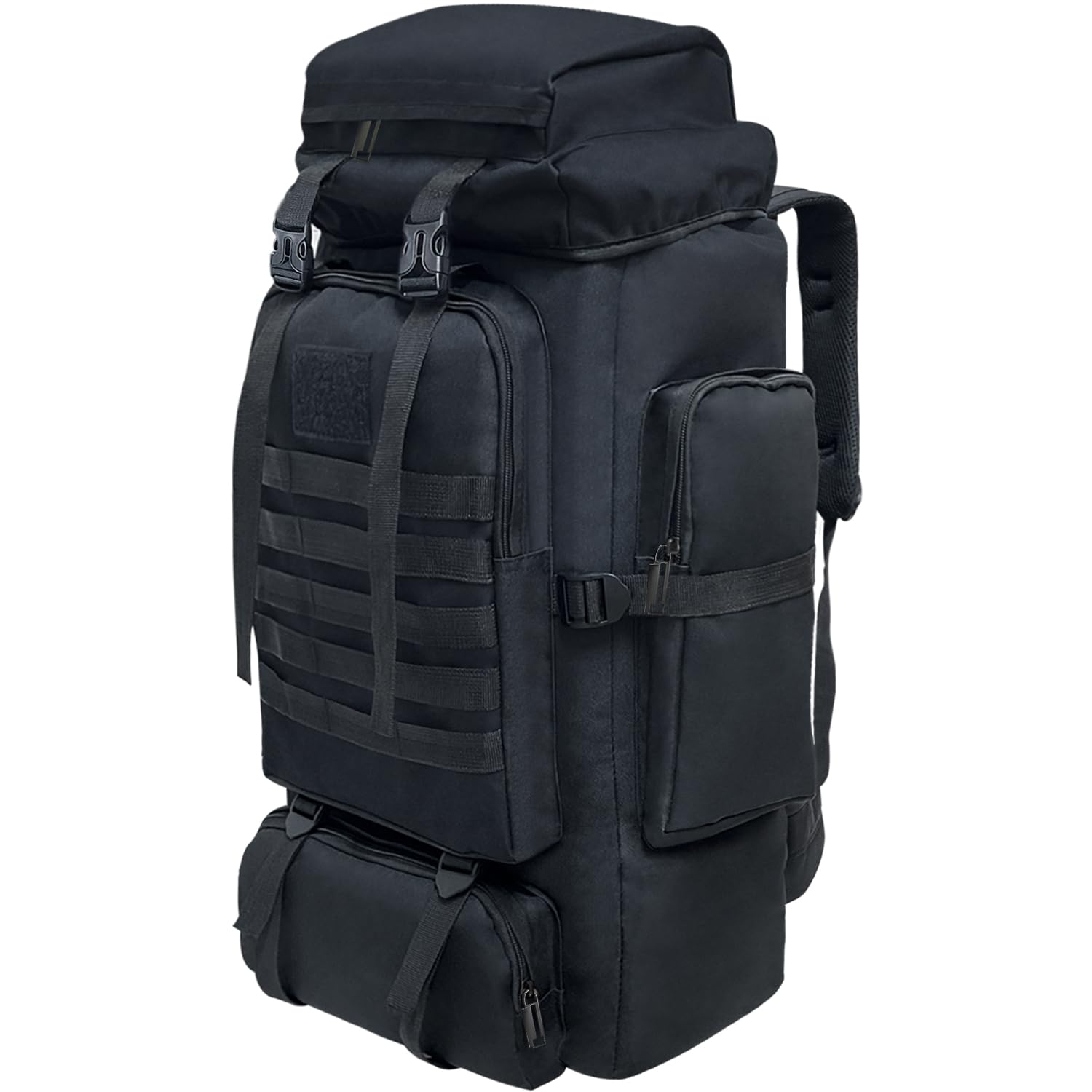
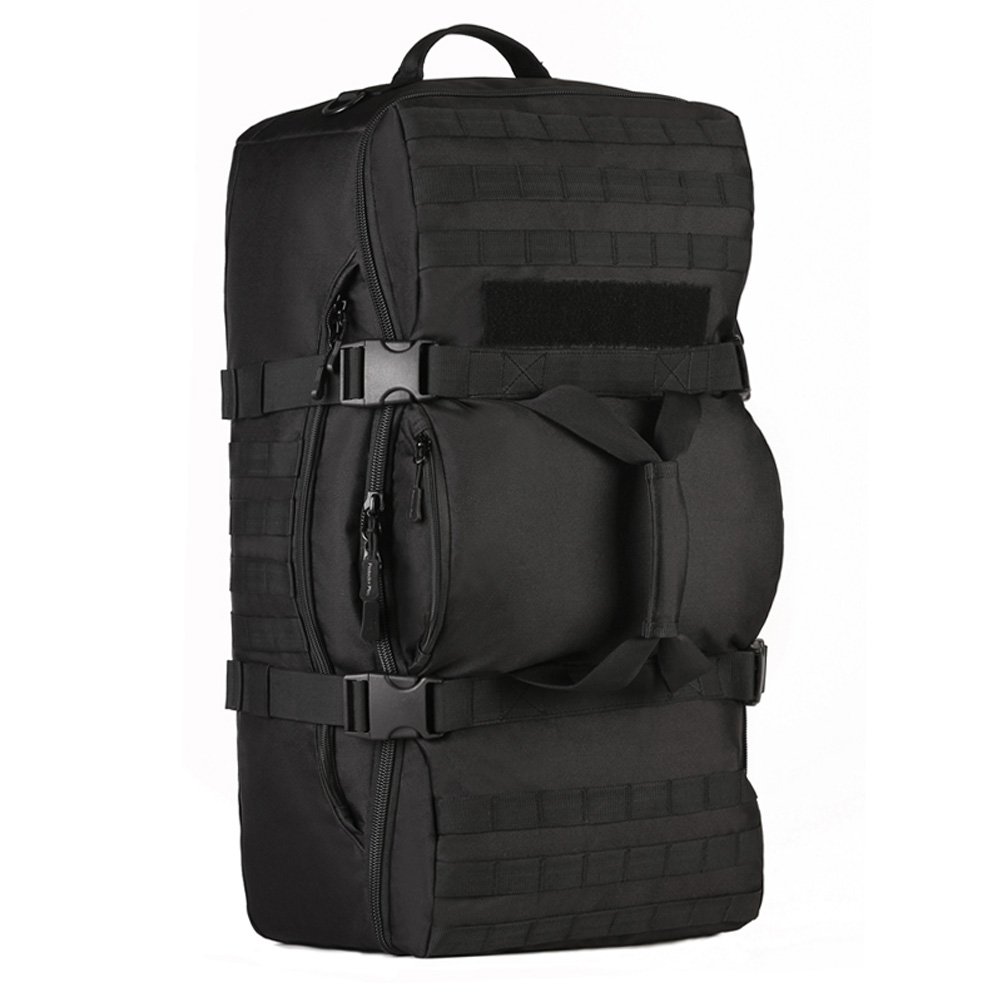
Capacity is the one decision that is hard to undo. Twenty to thirty litres is a day pack — range time, a commute, a single night out. Thirty-six to fifty covers a long weekend with a change of clothes and a sleeping bag. The 80-litre packs here are expedition or bug-out sized; they are genuinely large, and a half-empty 80L rucksack carries worse than a full 45L one. Two packs in this group expand, which is the sensible hedge if you are between sizes.
MOLLE is what makes it modular
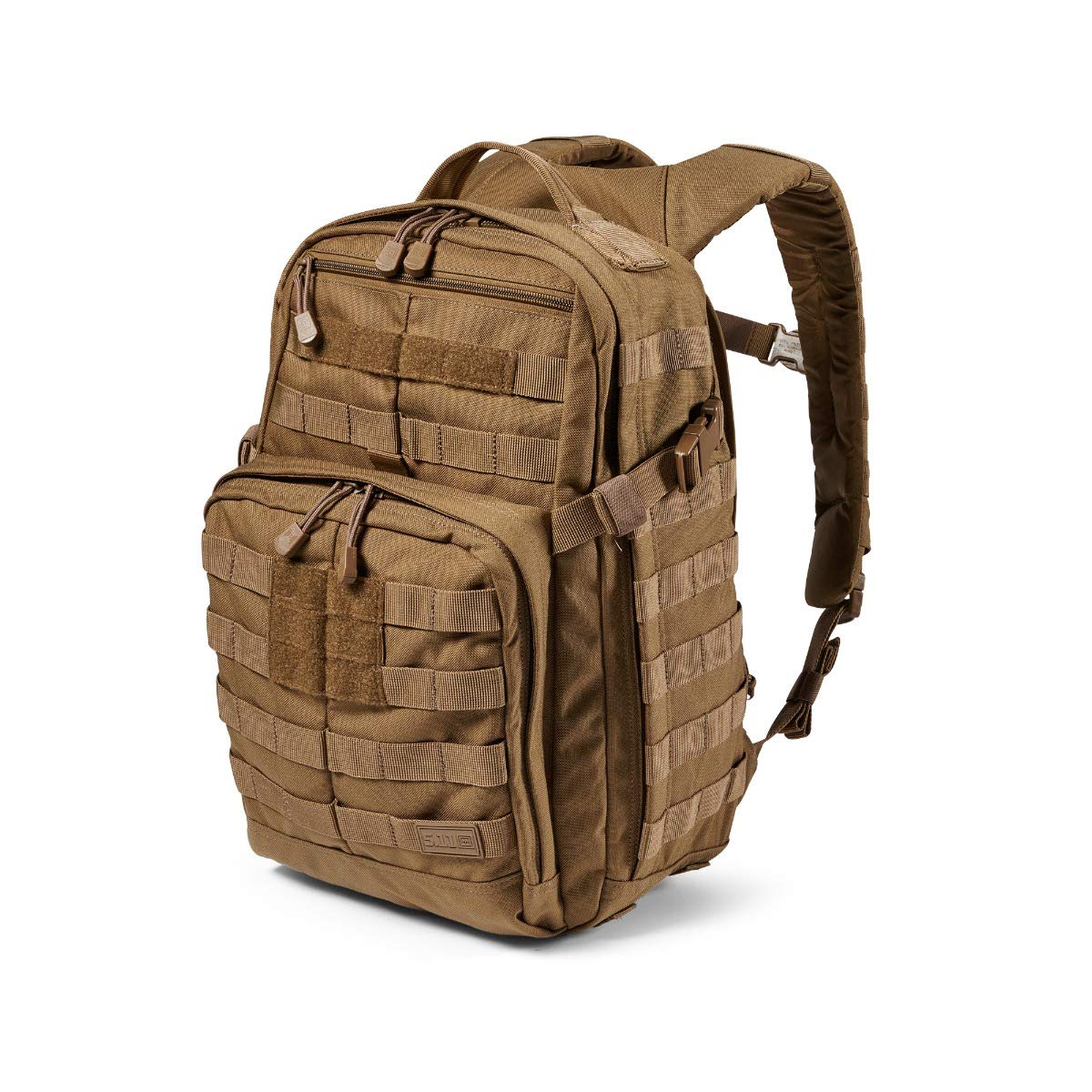
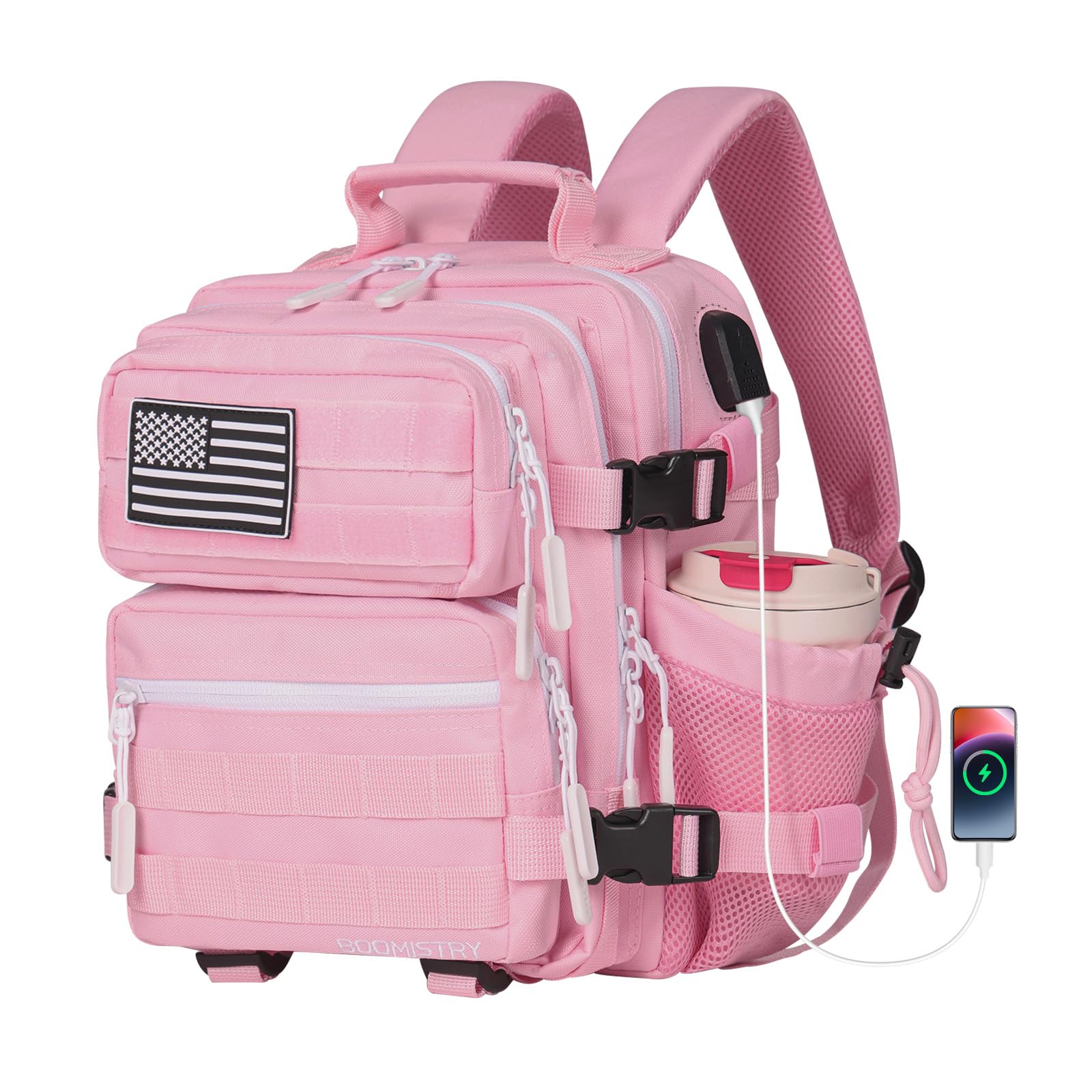
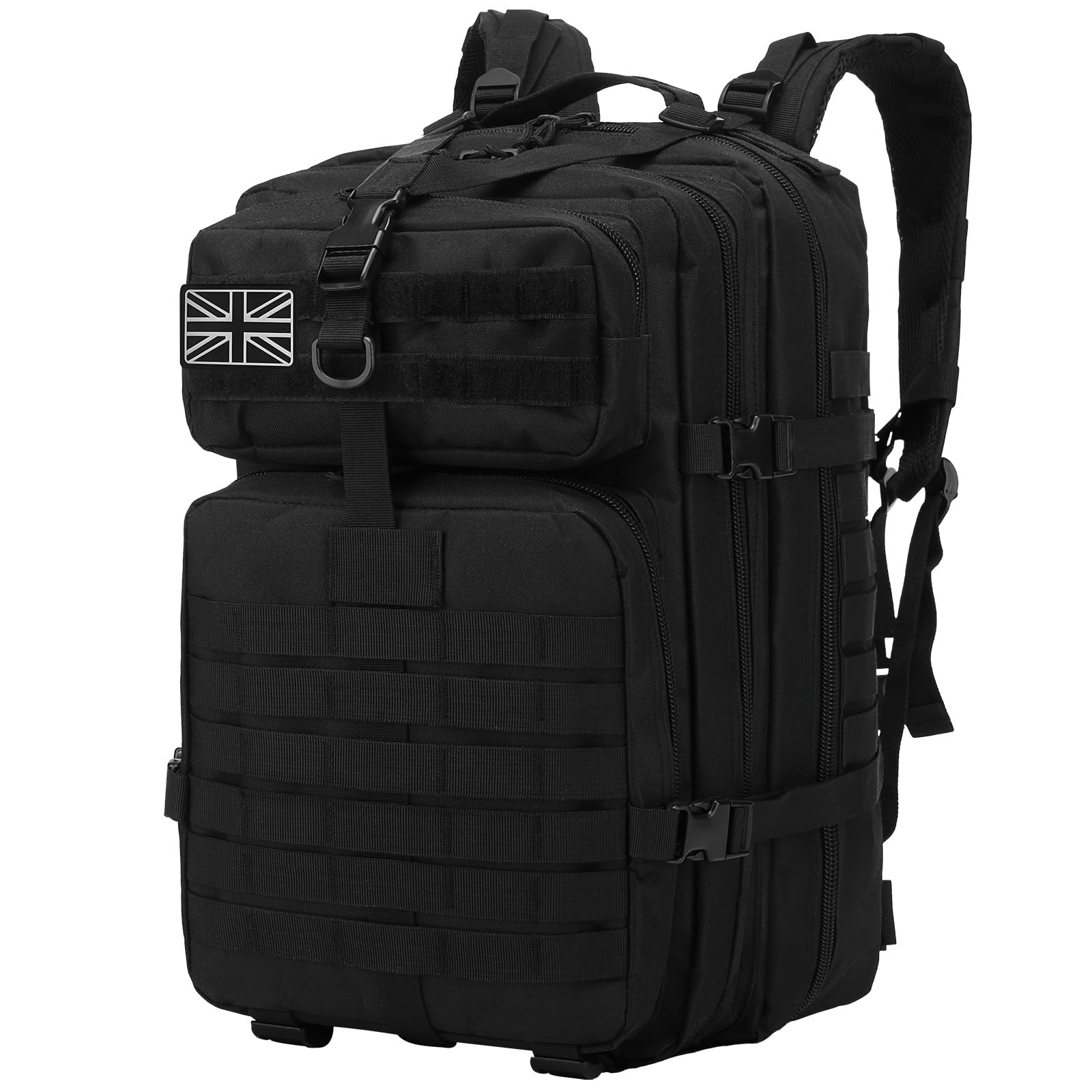
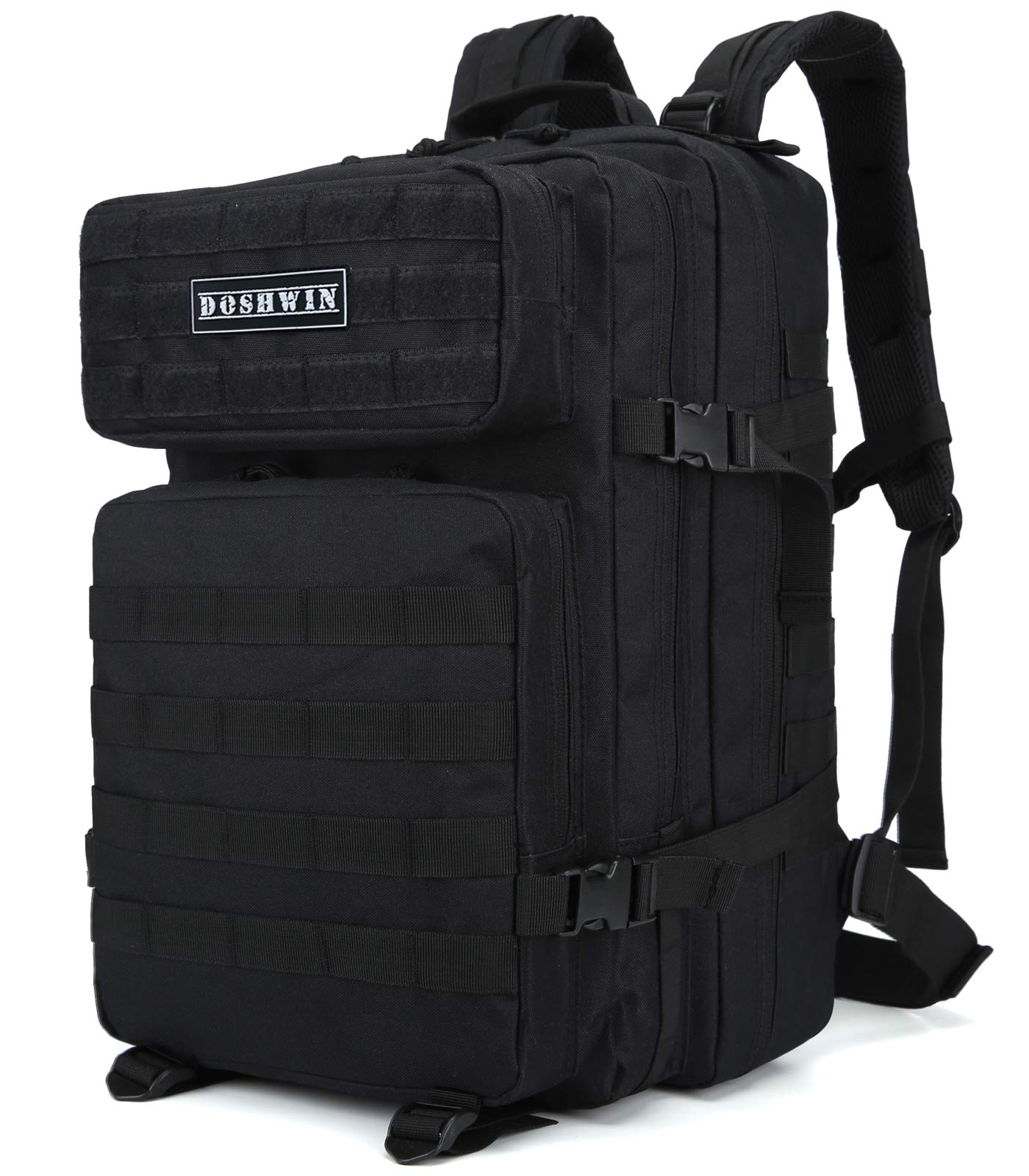
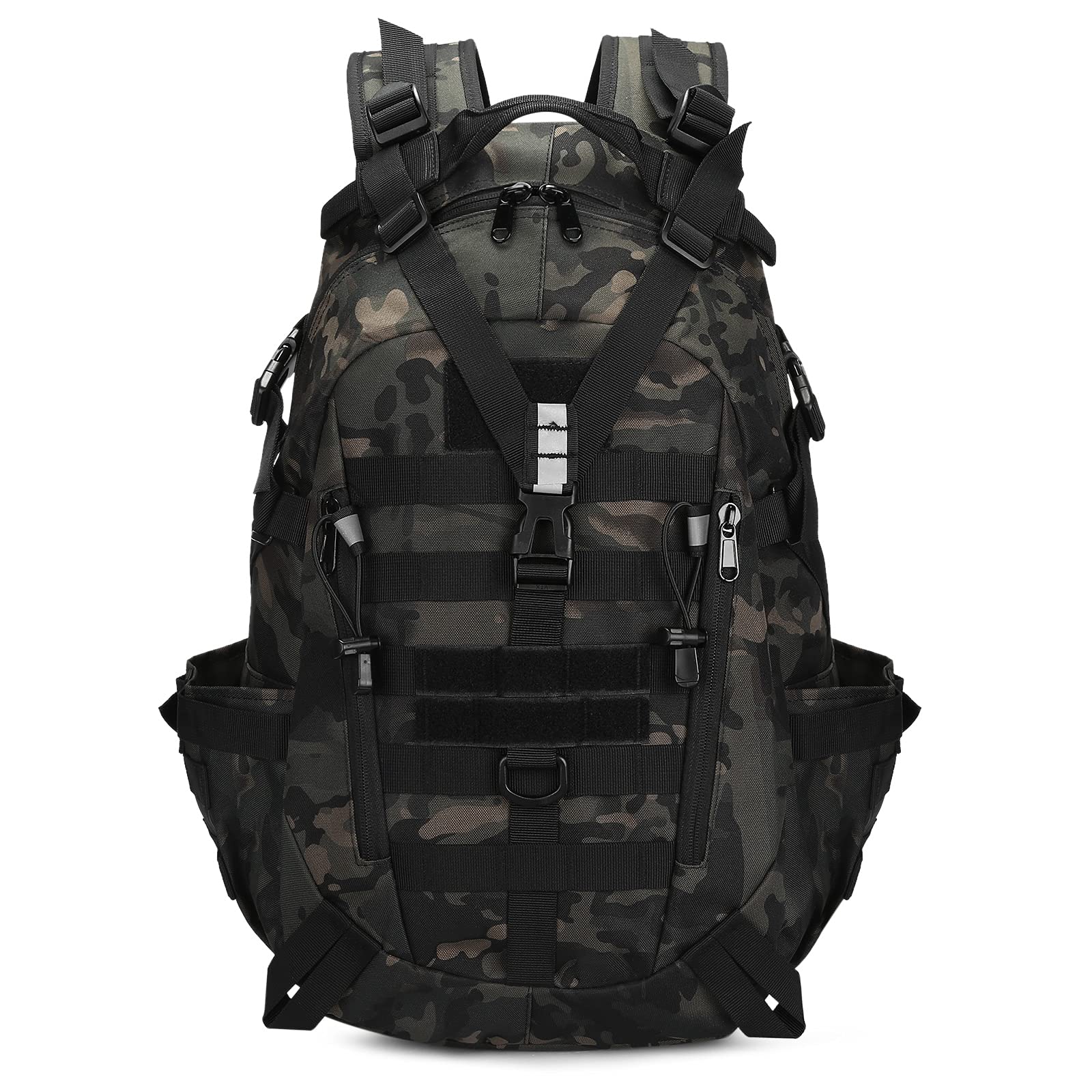
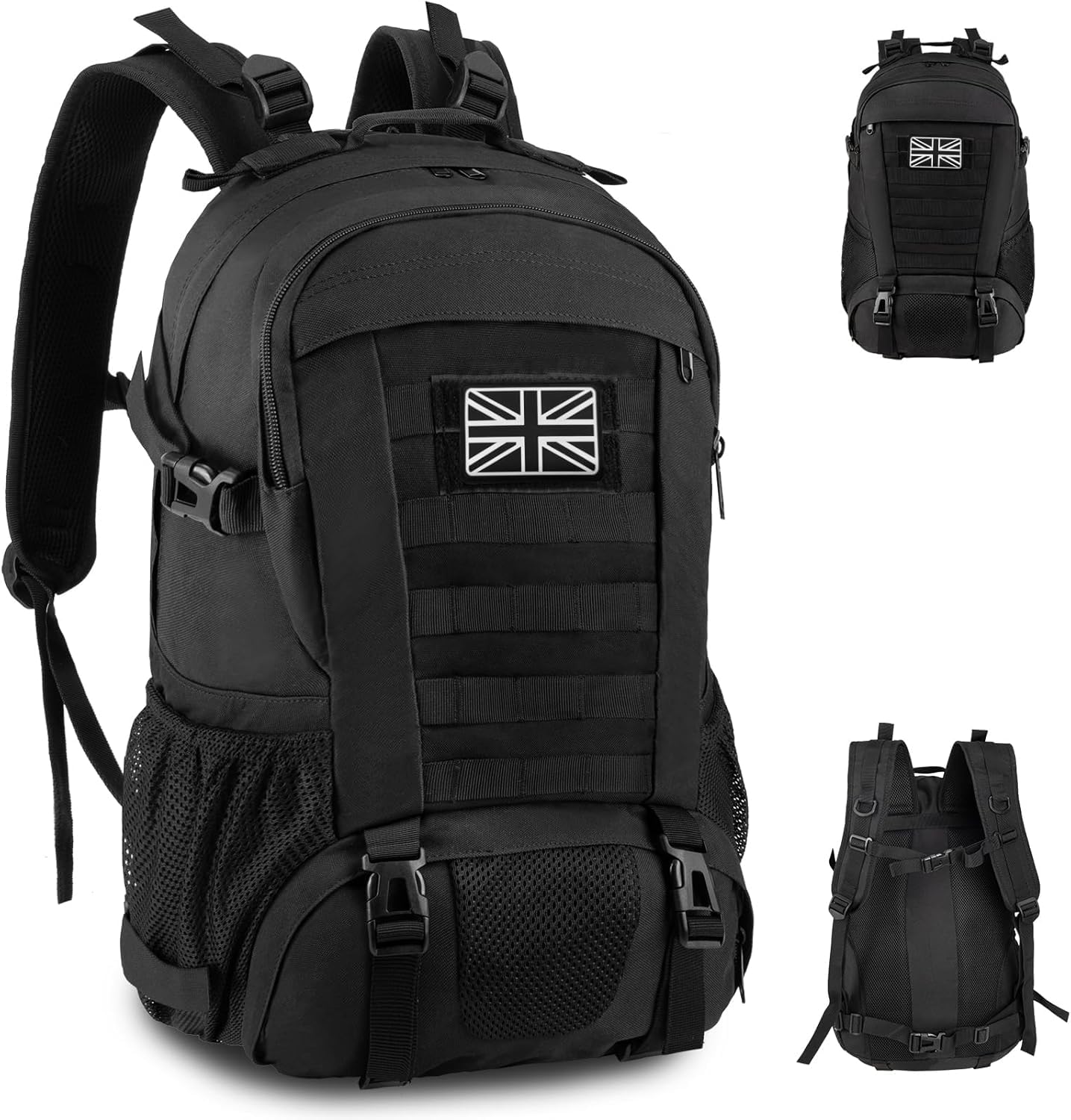
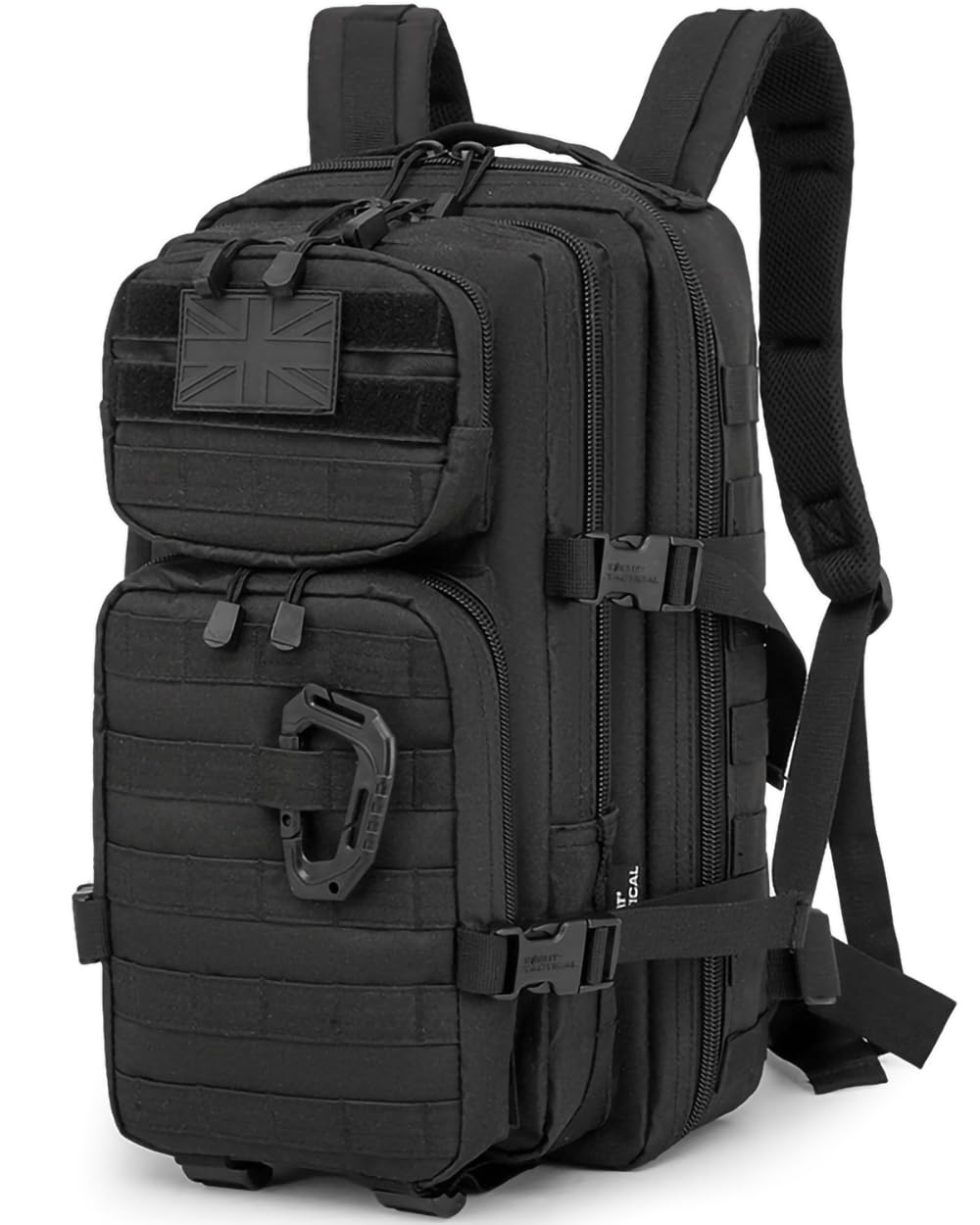
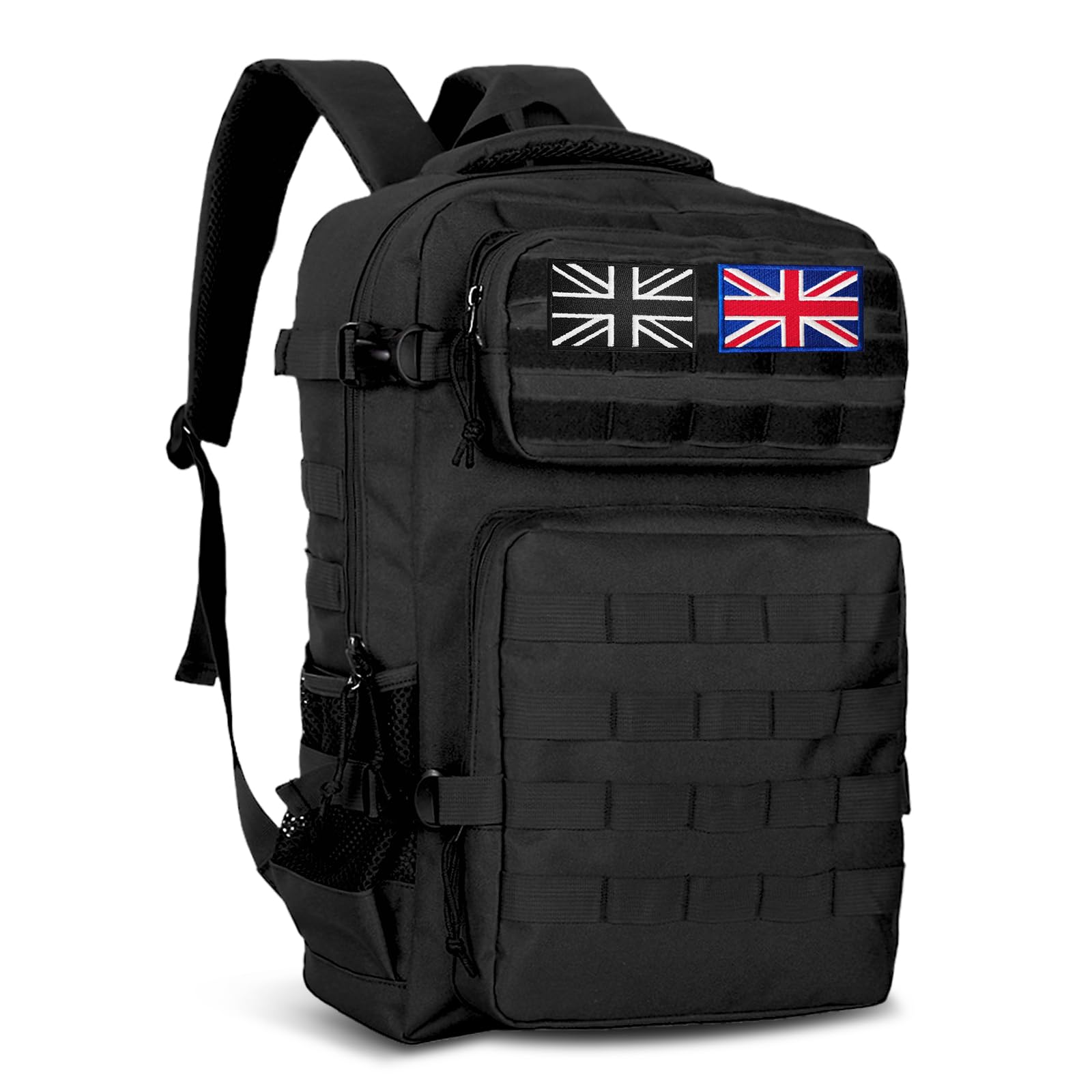
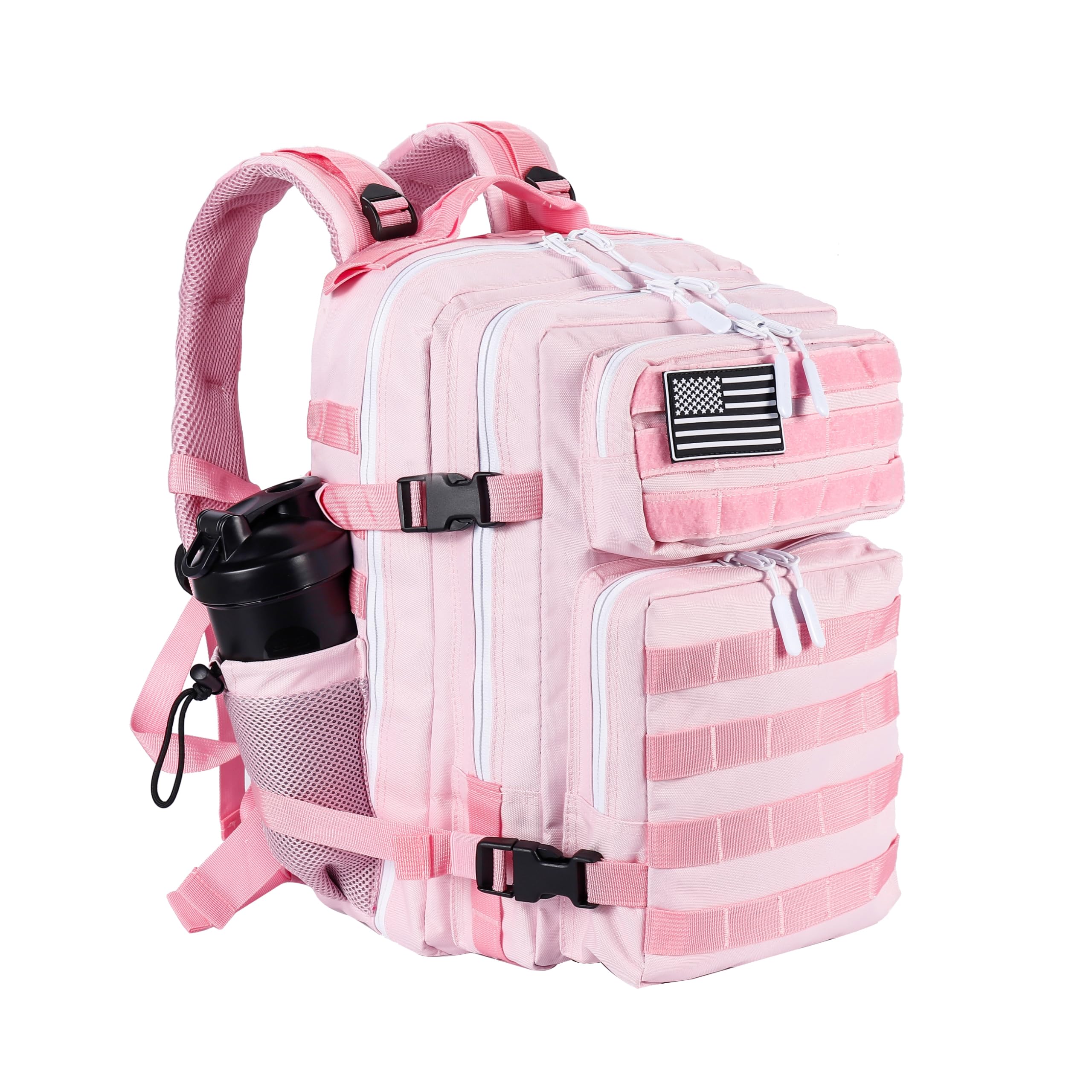
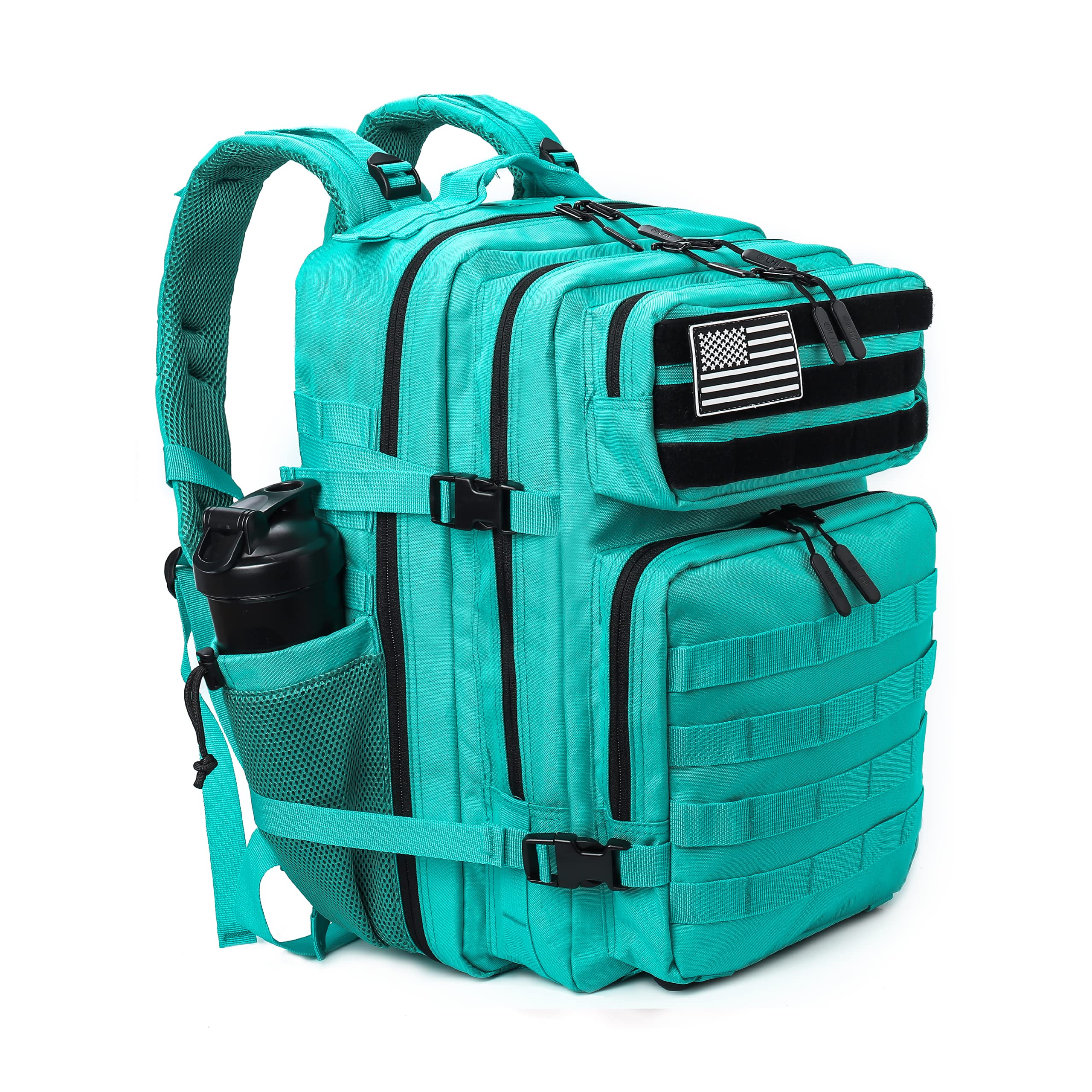
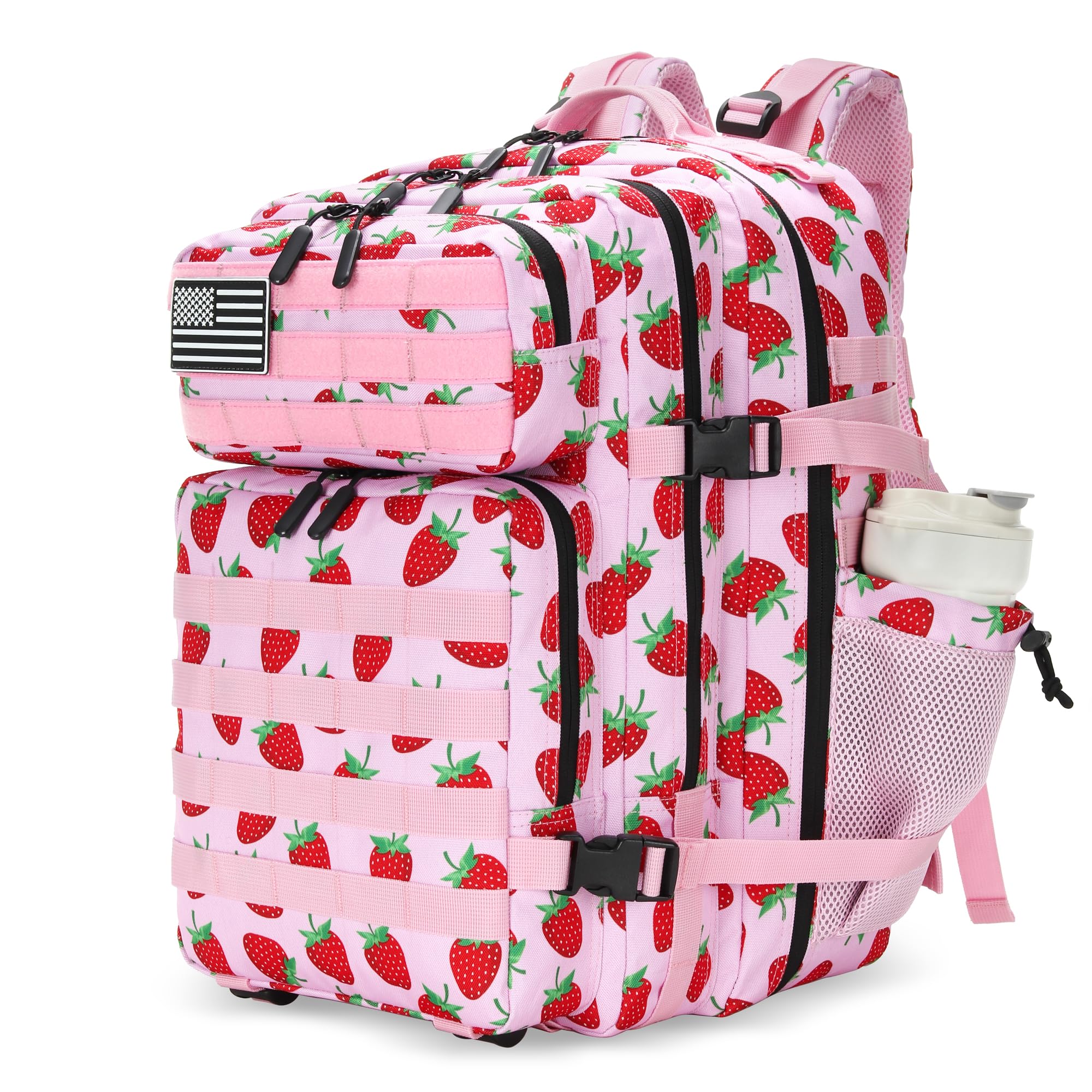
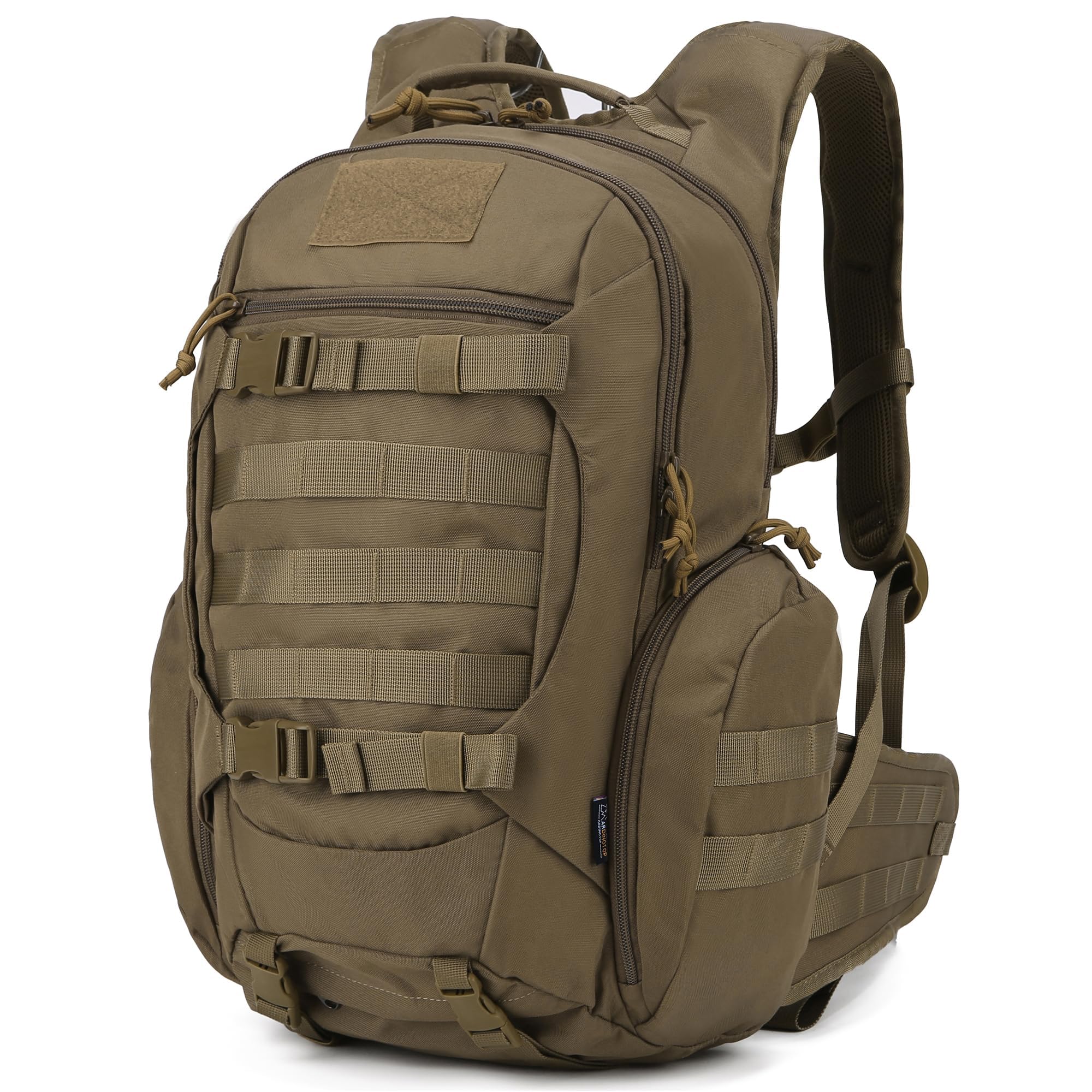
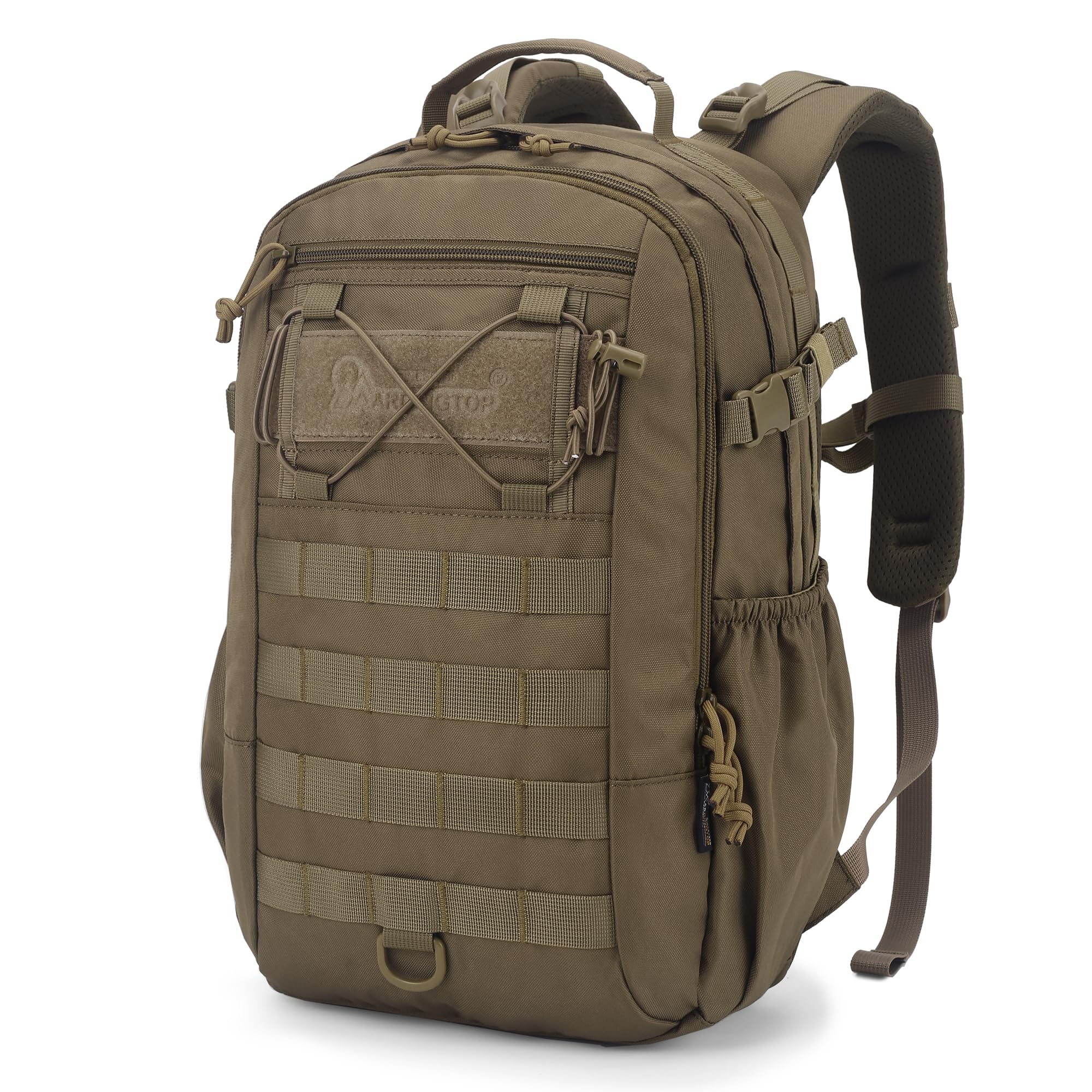
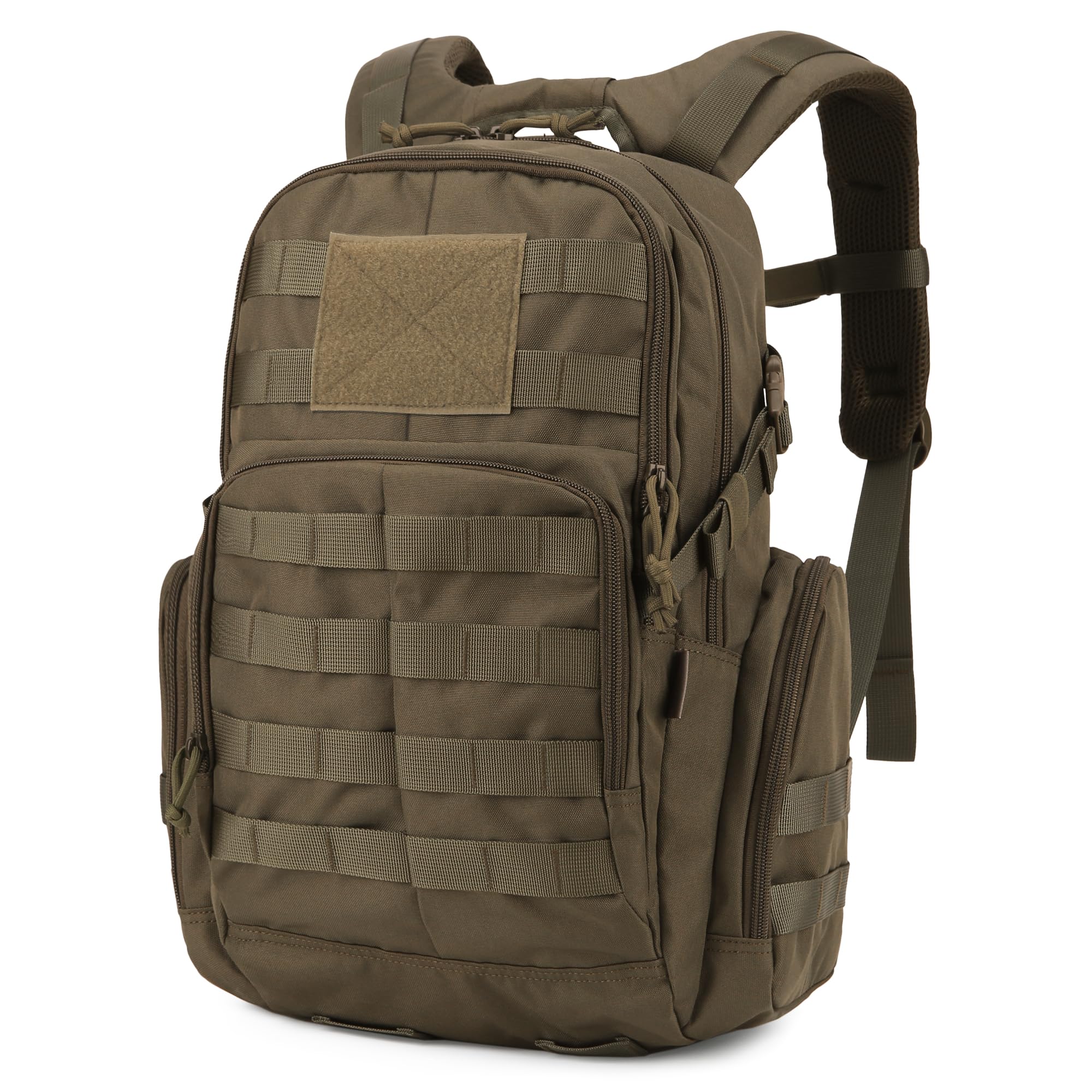
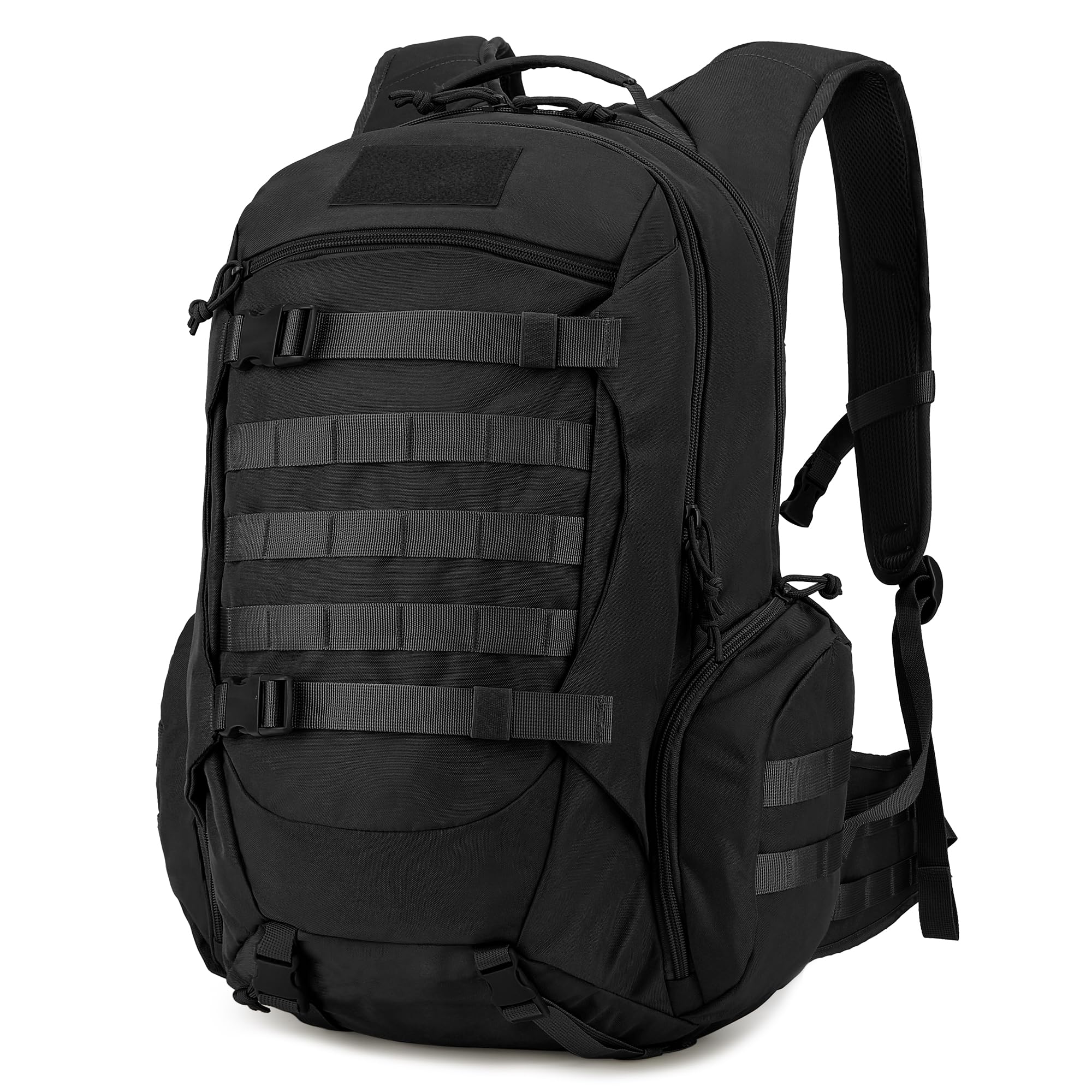
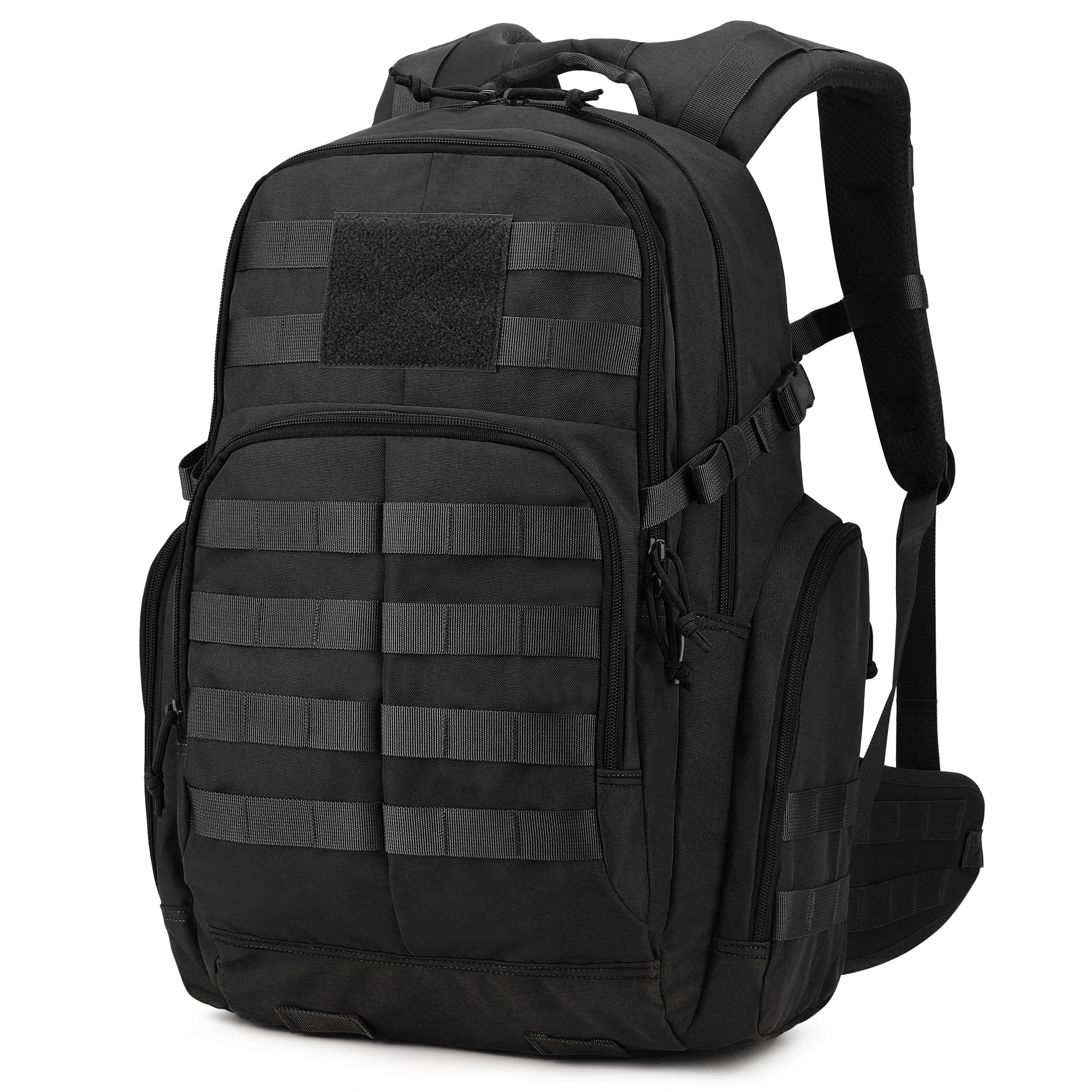
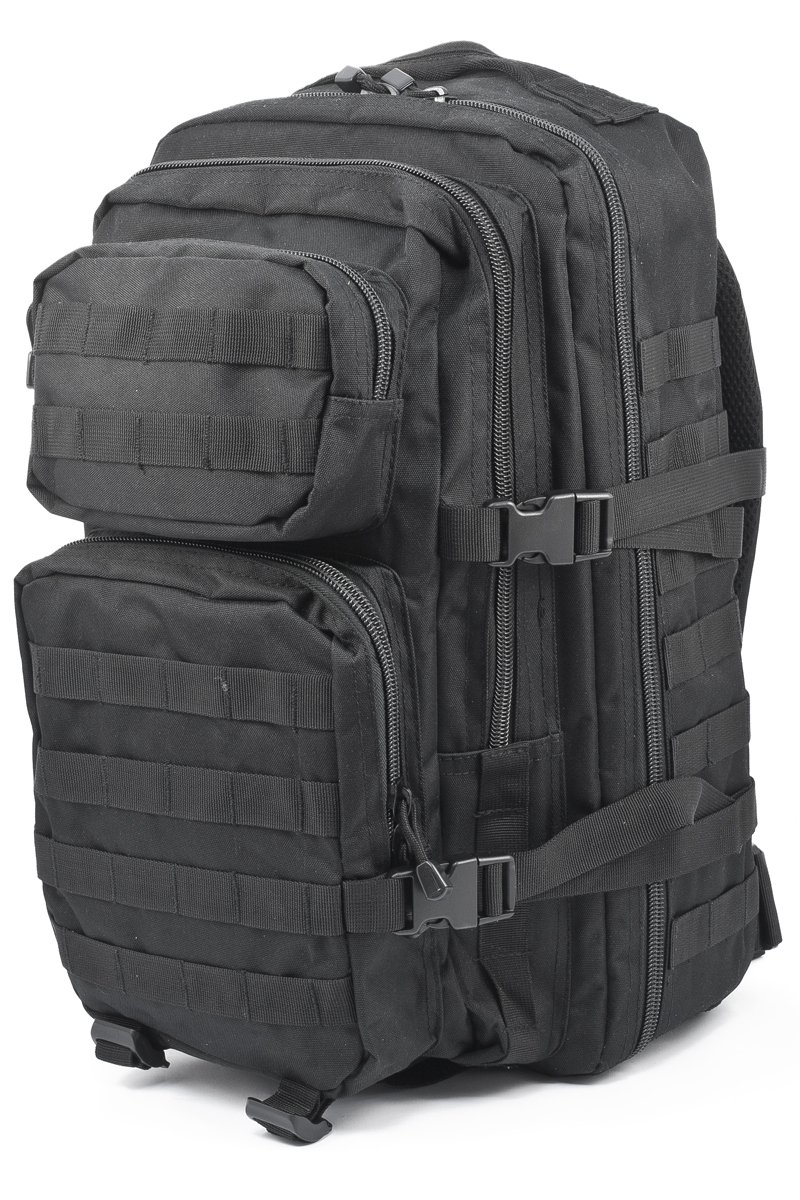
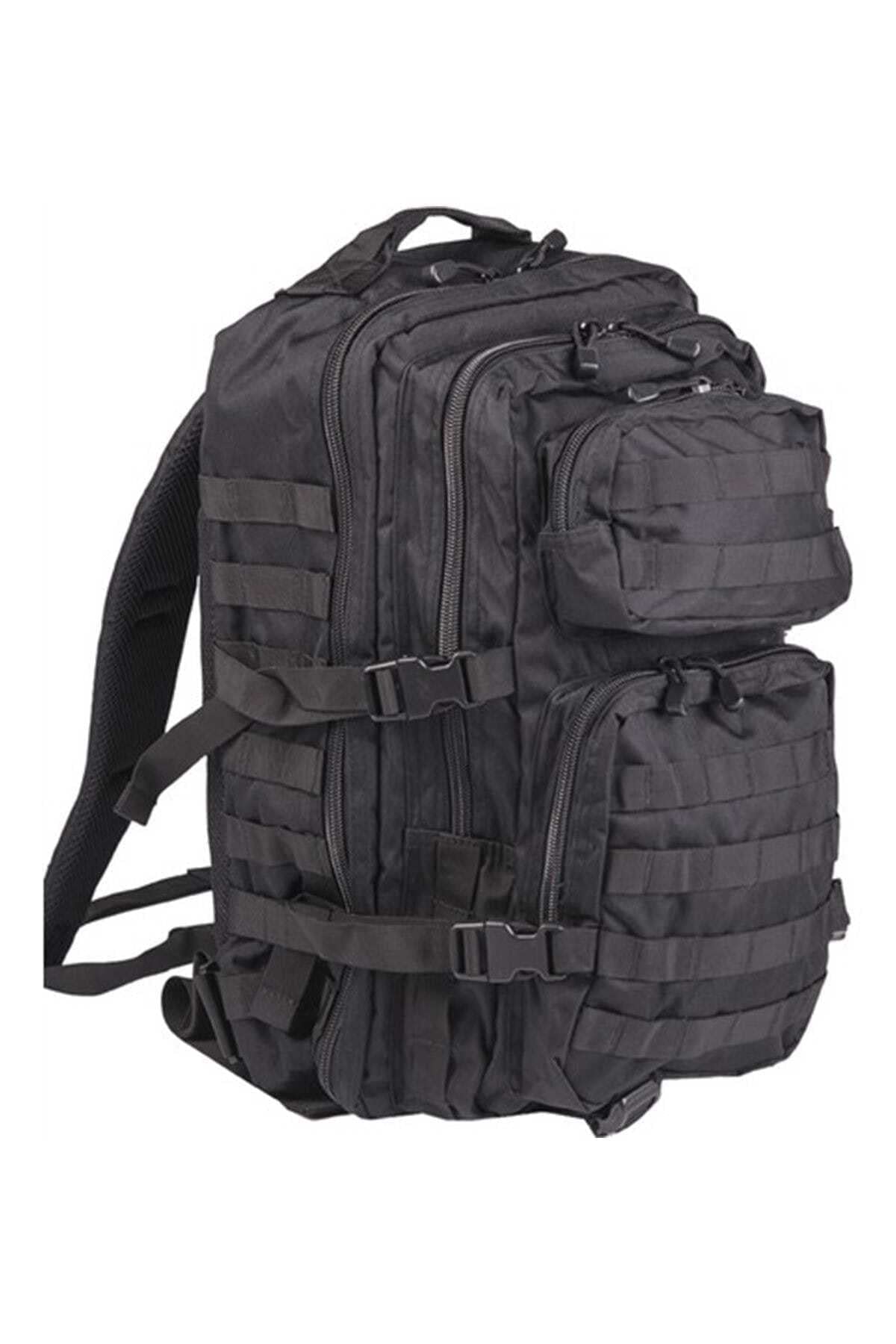
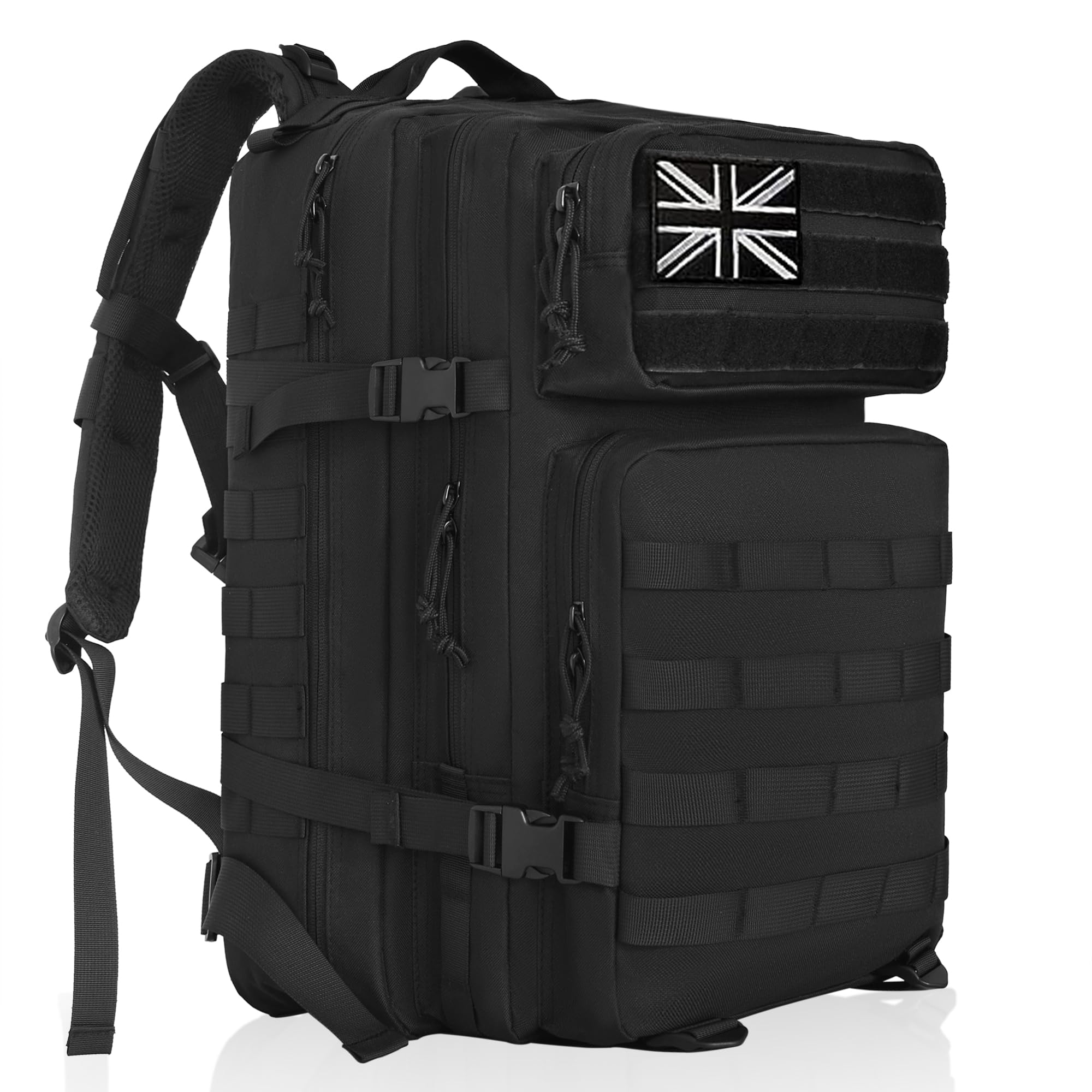
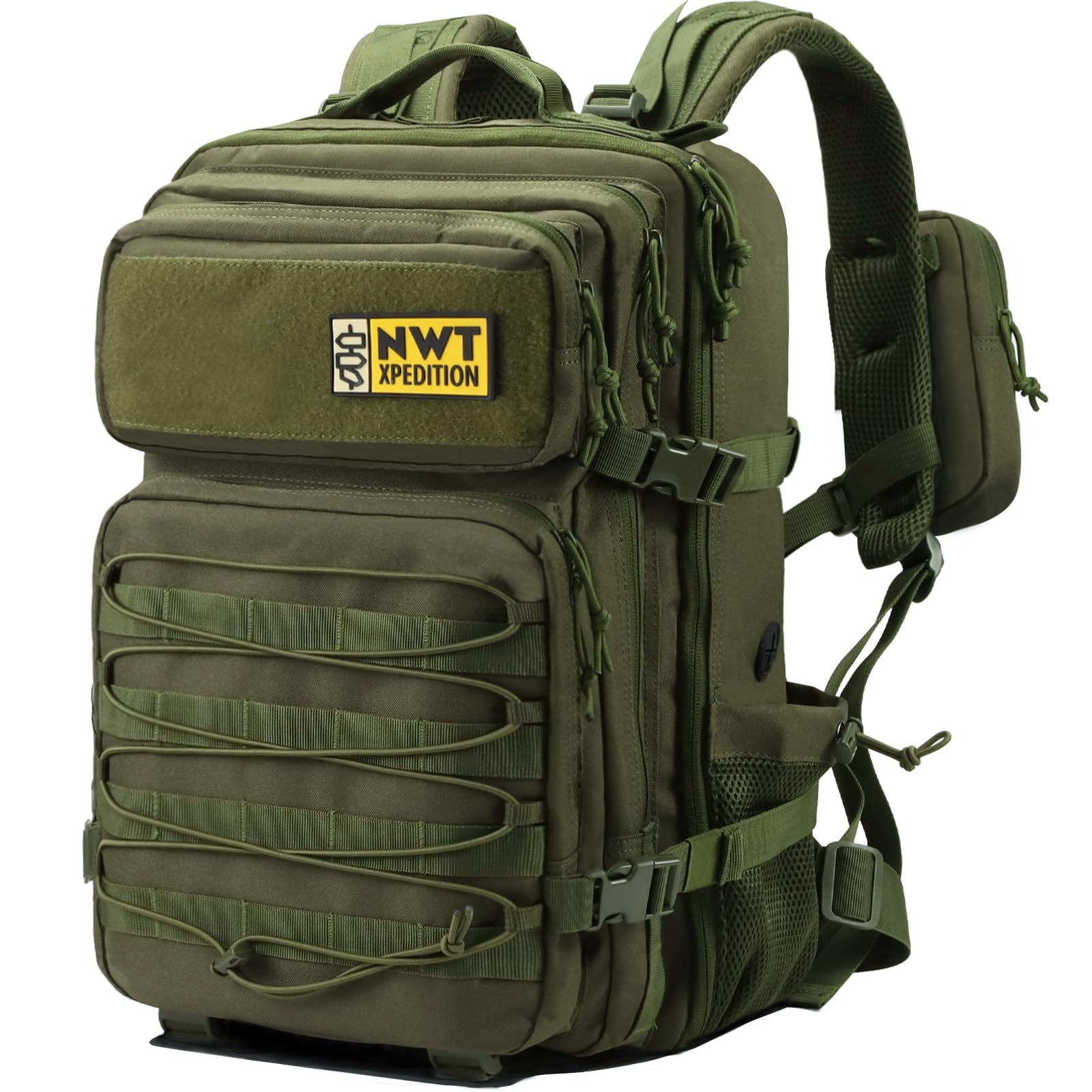
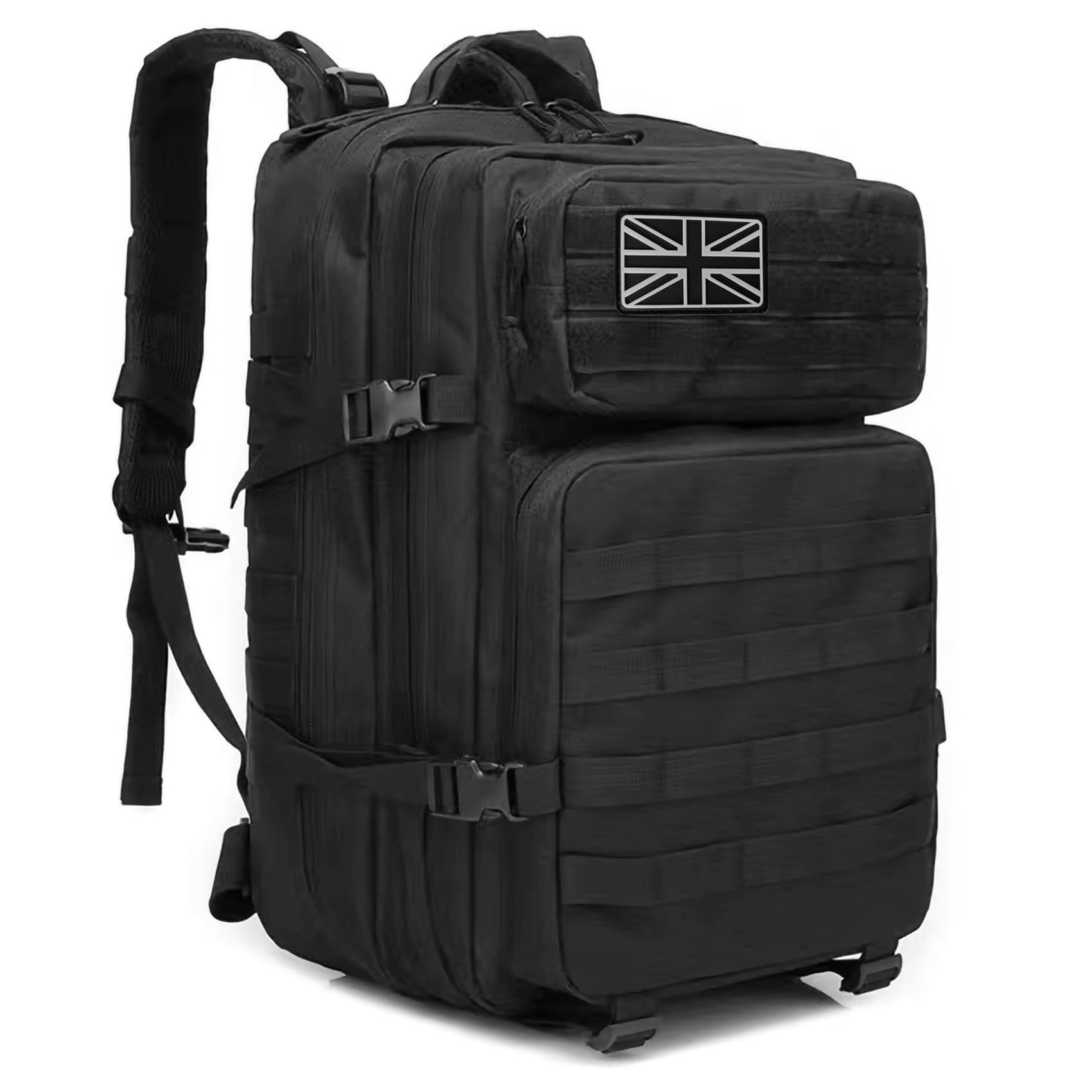
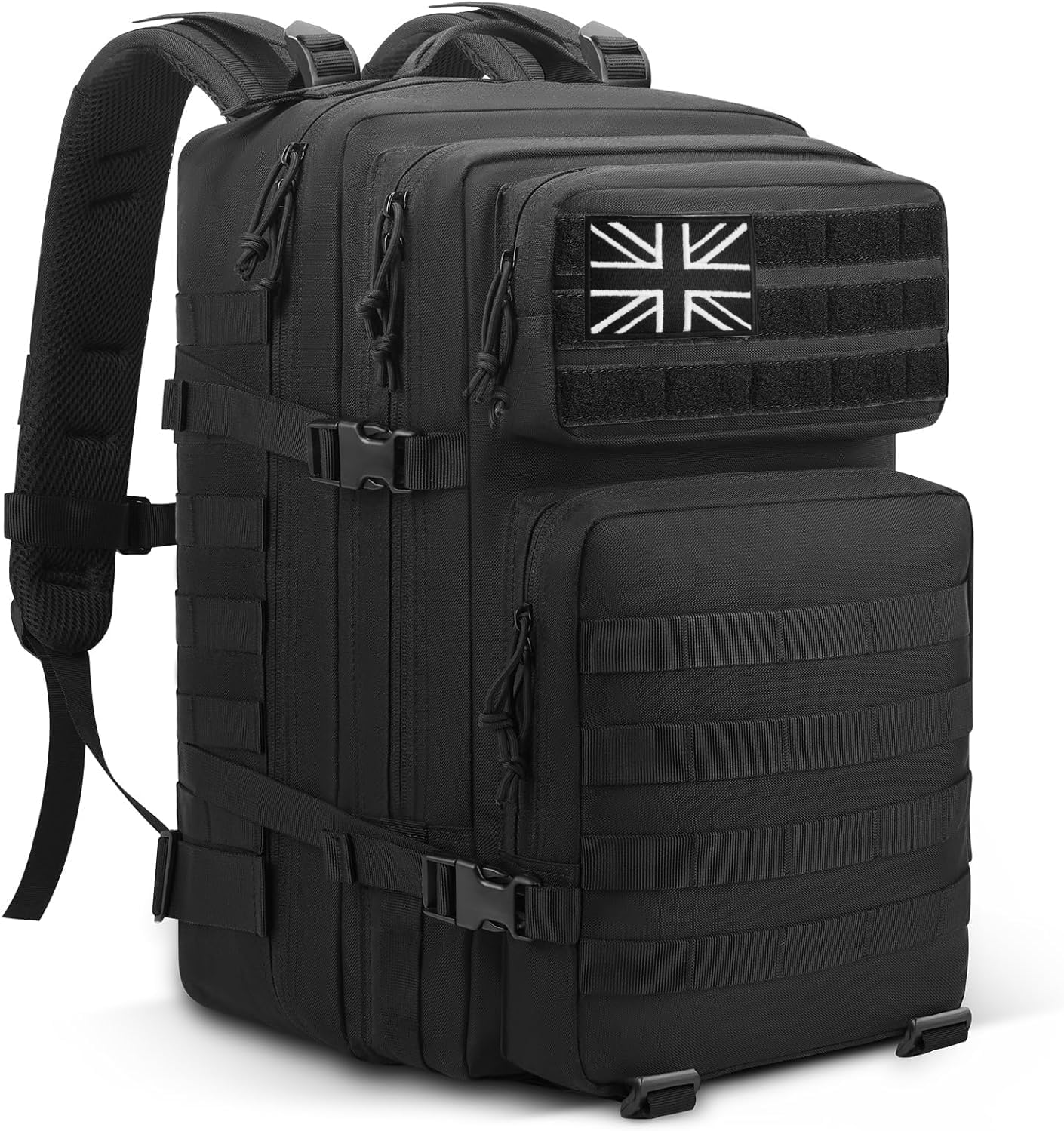
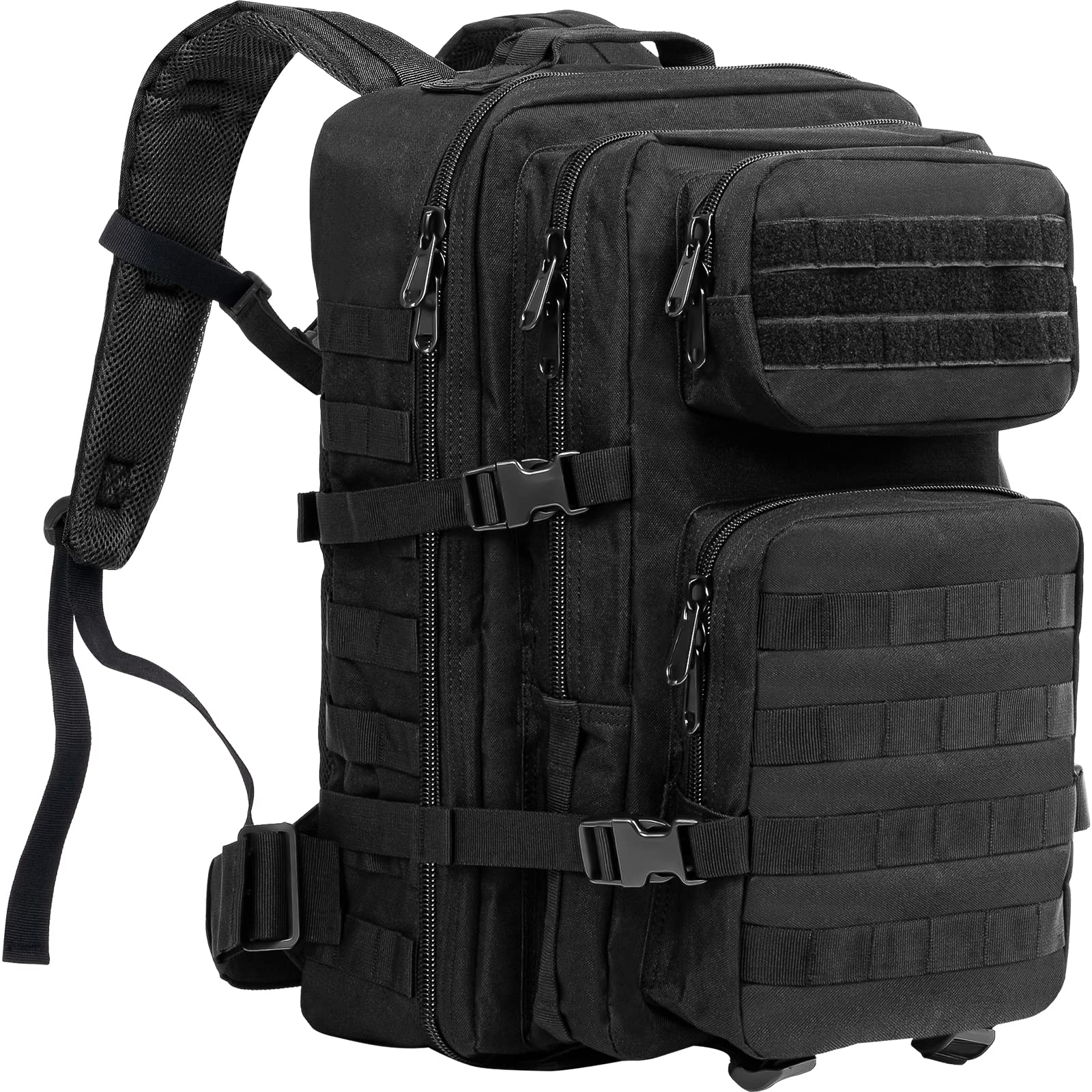
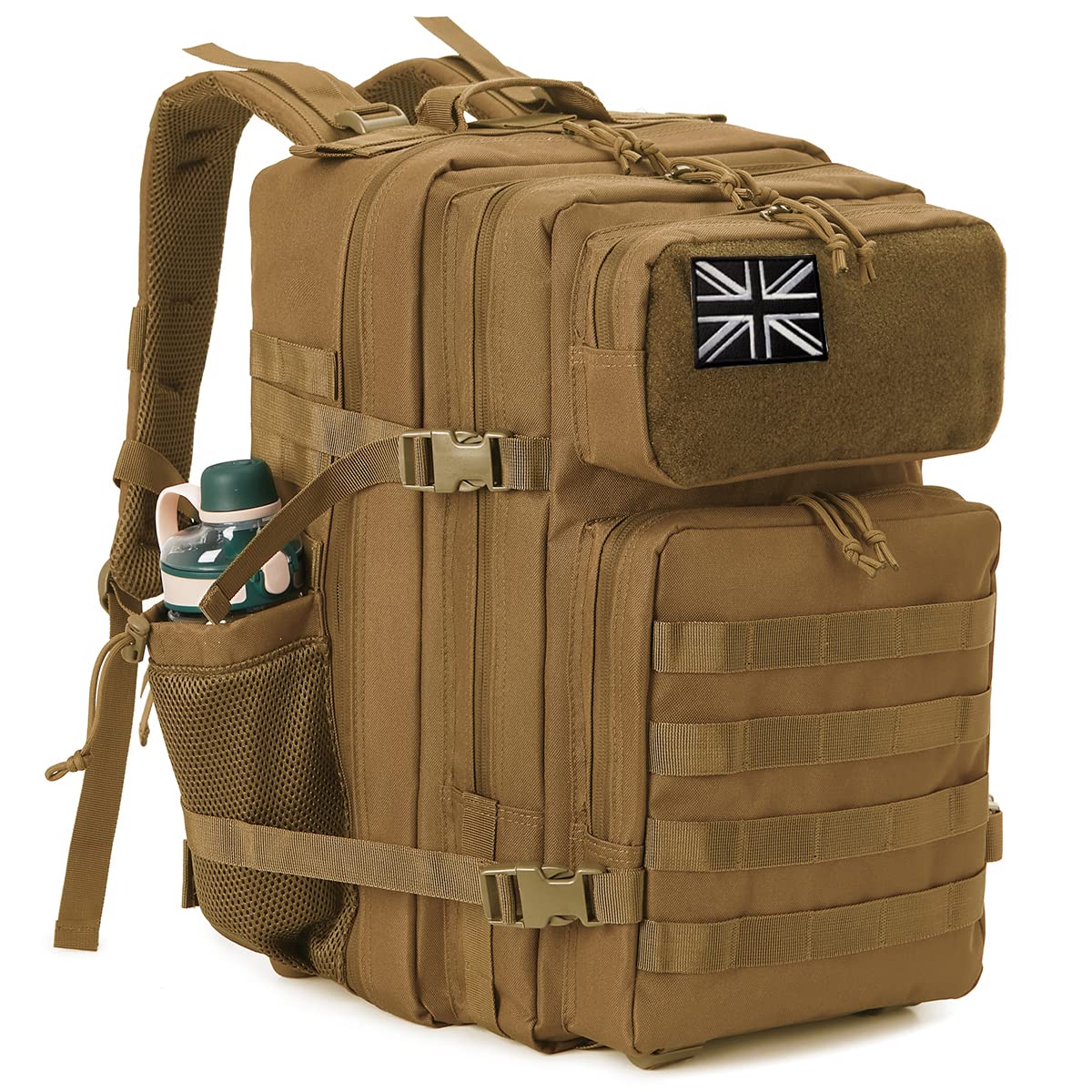
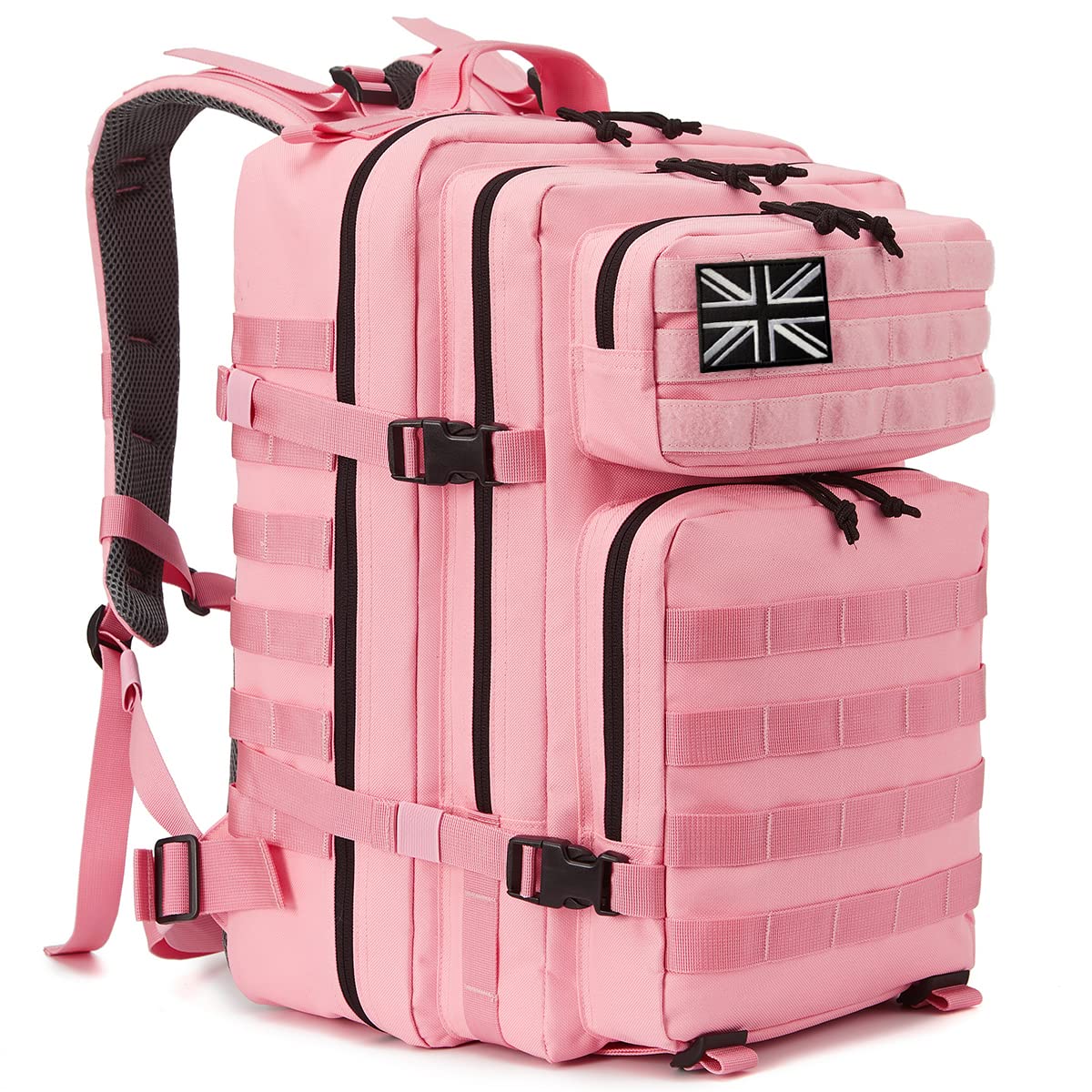
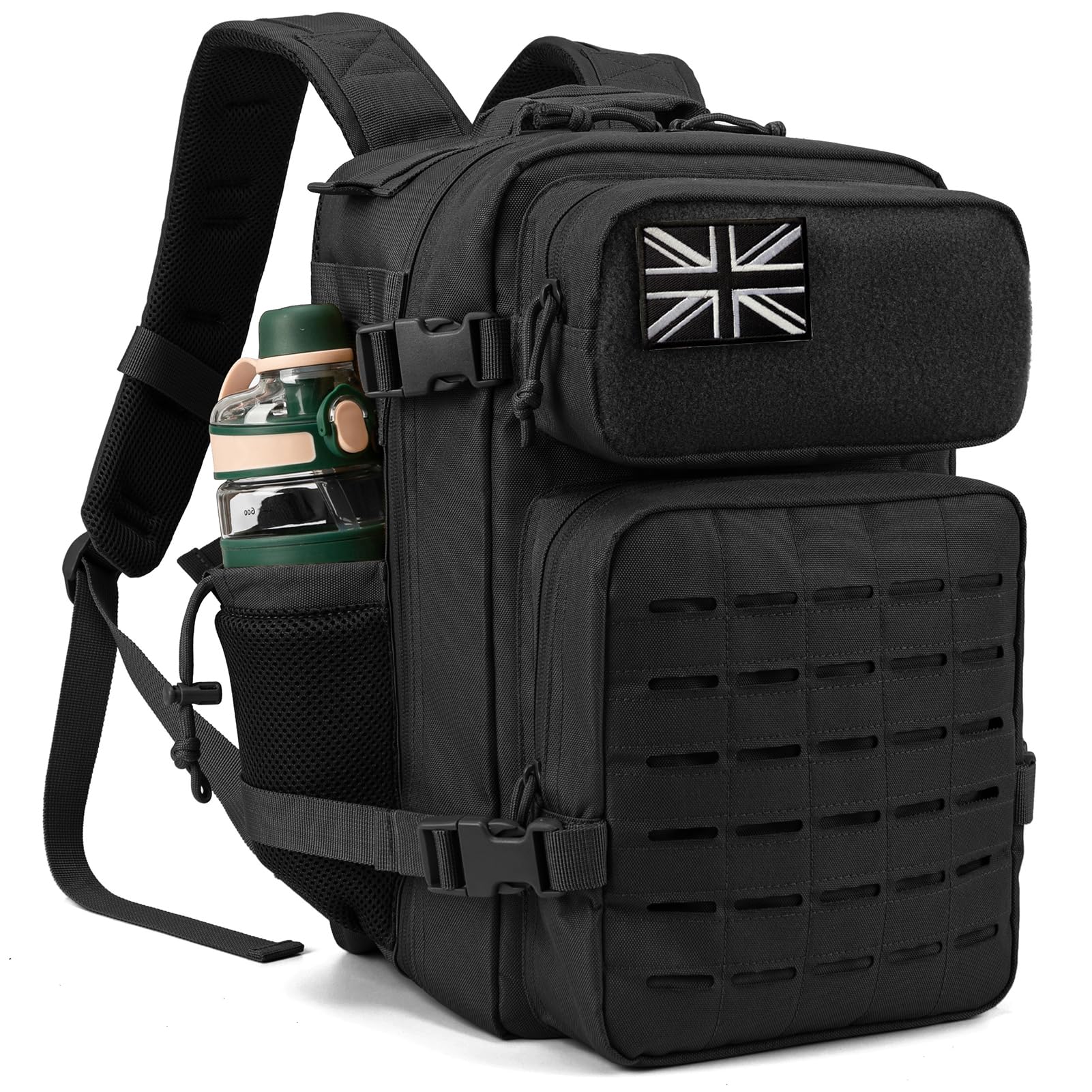
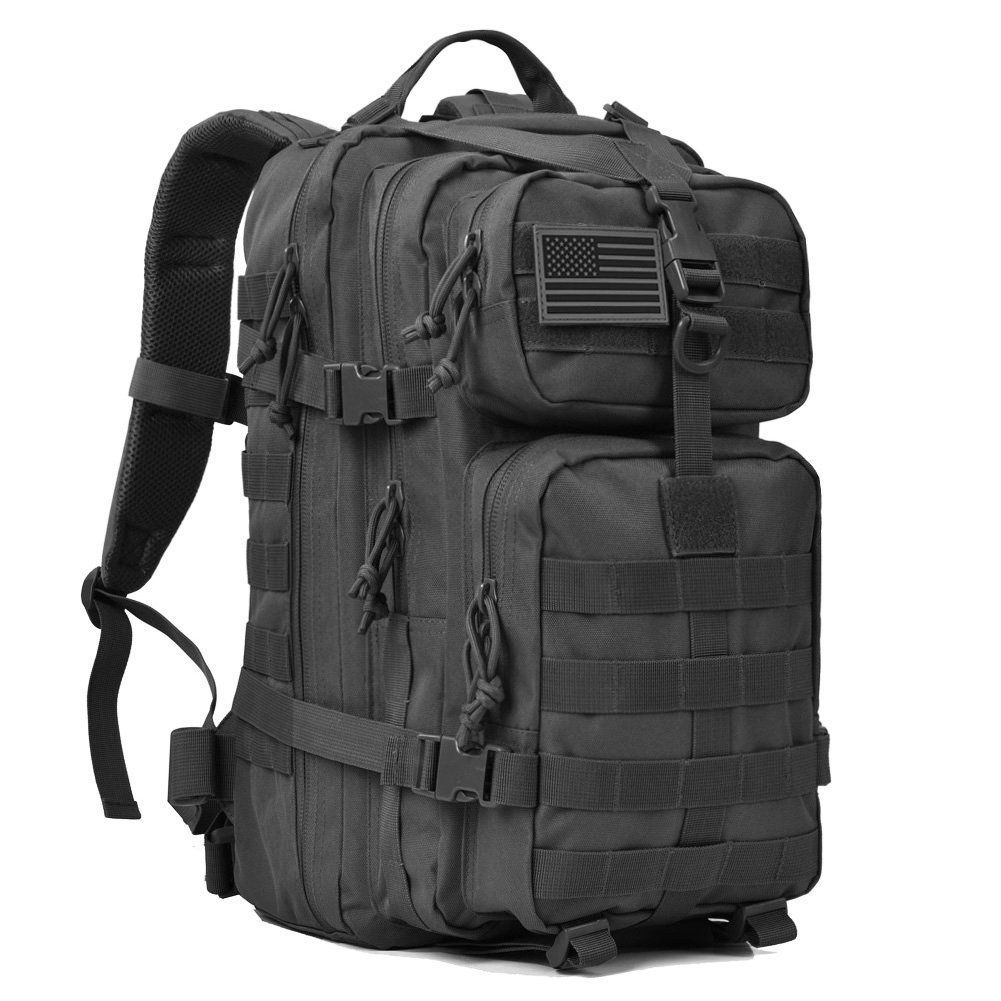
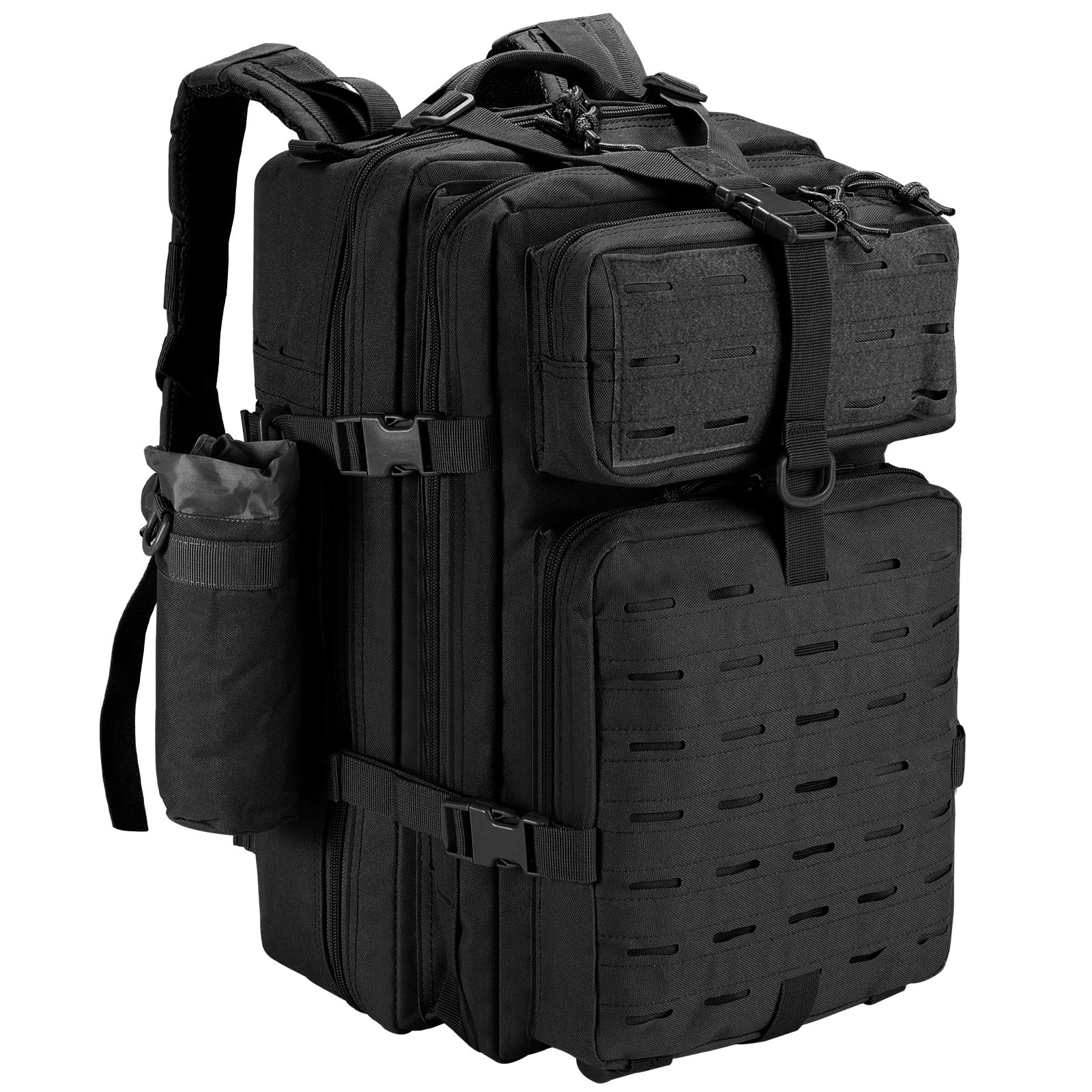
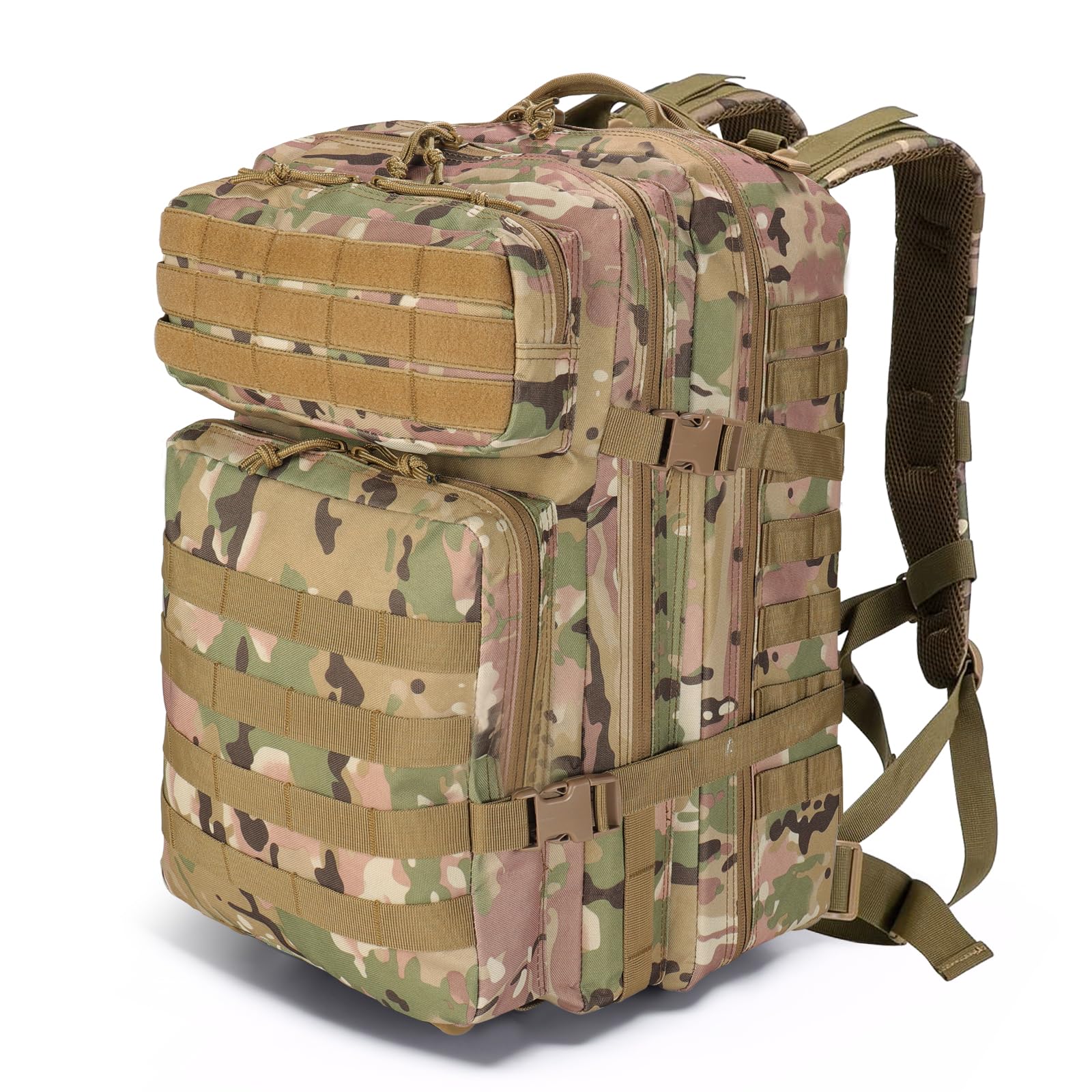
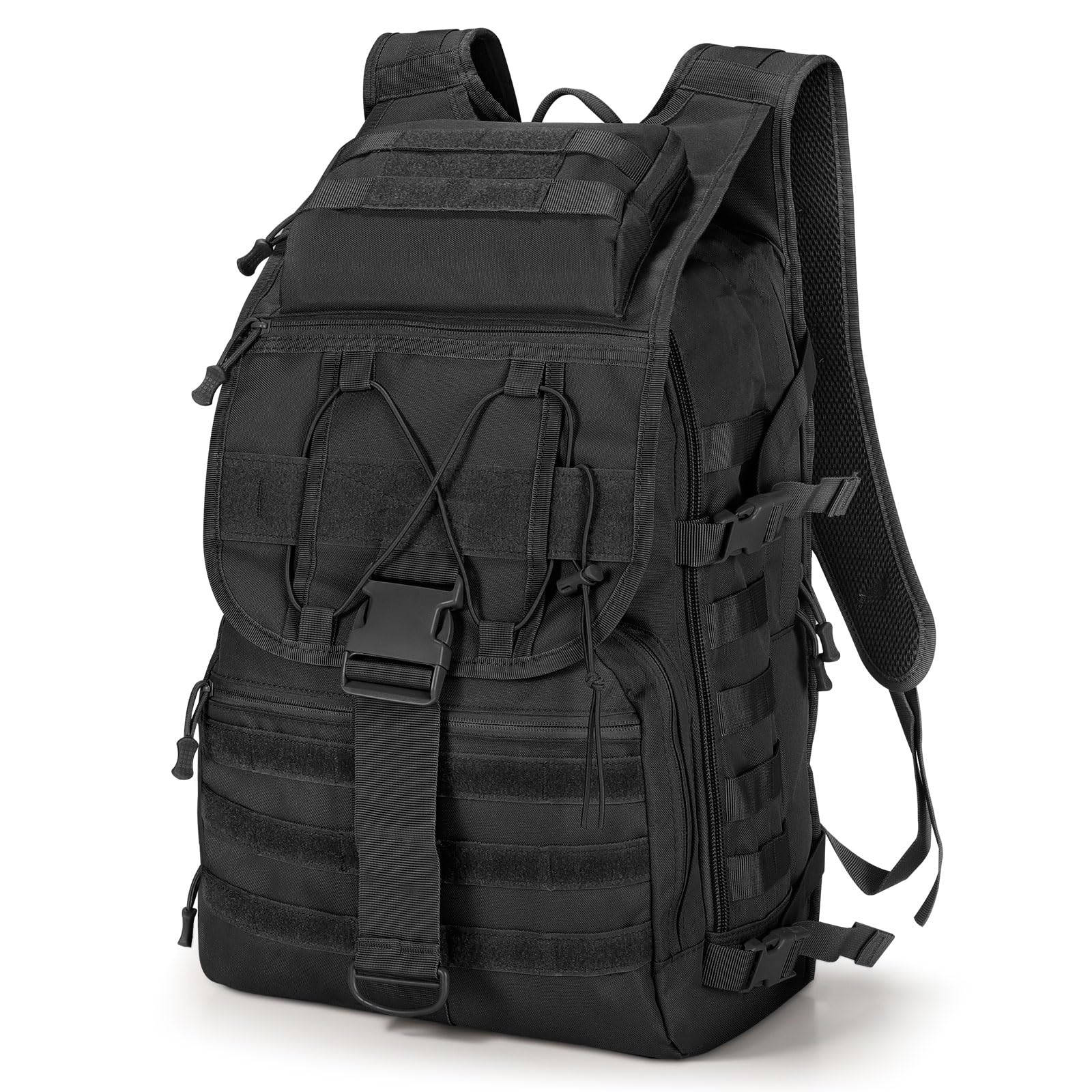
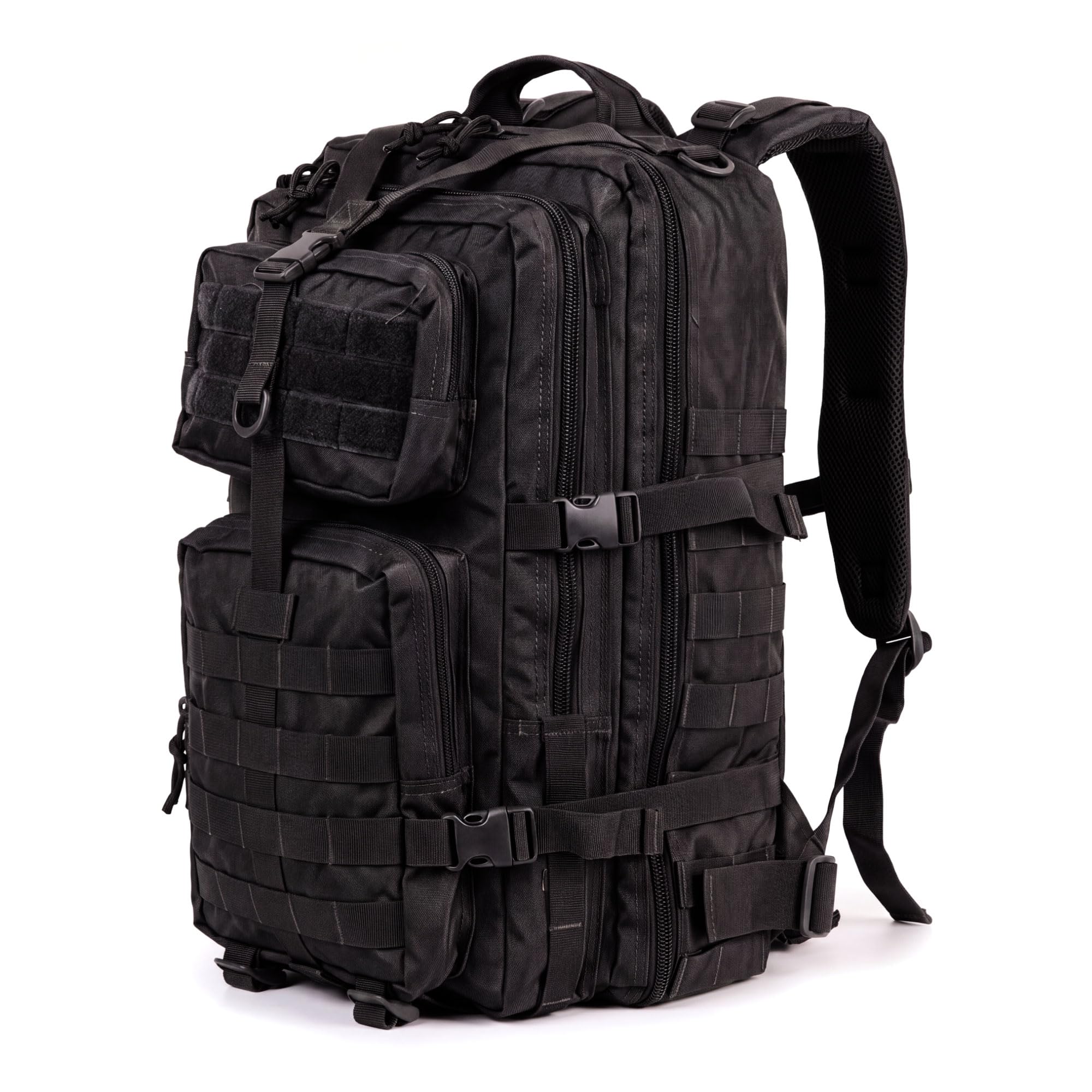
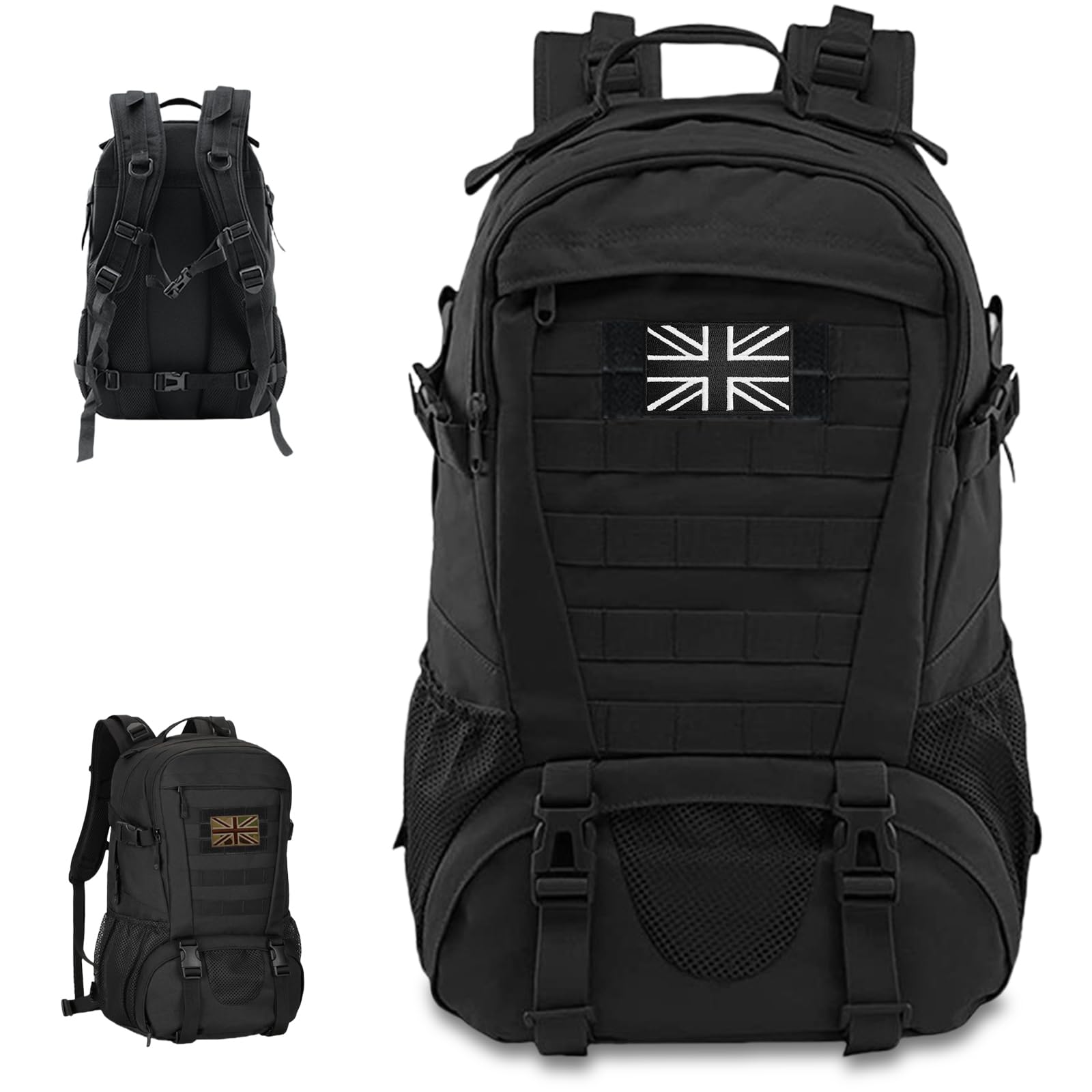
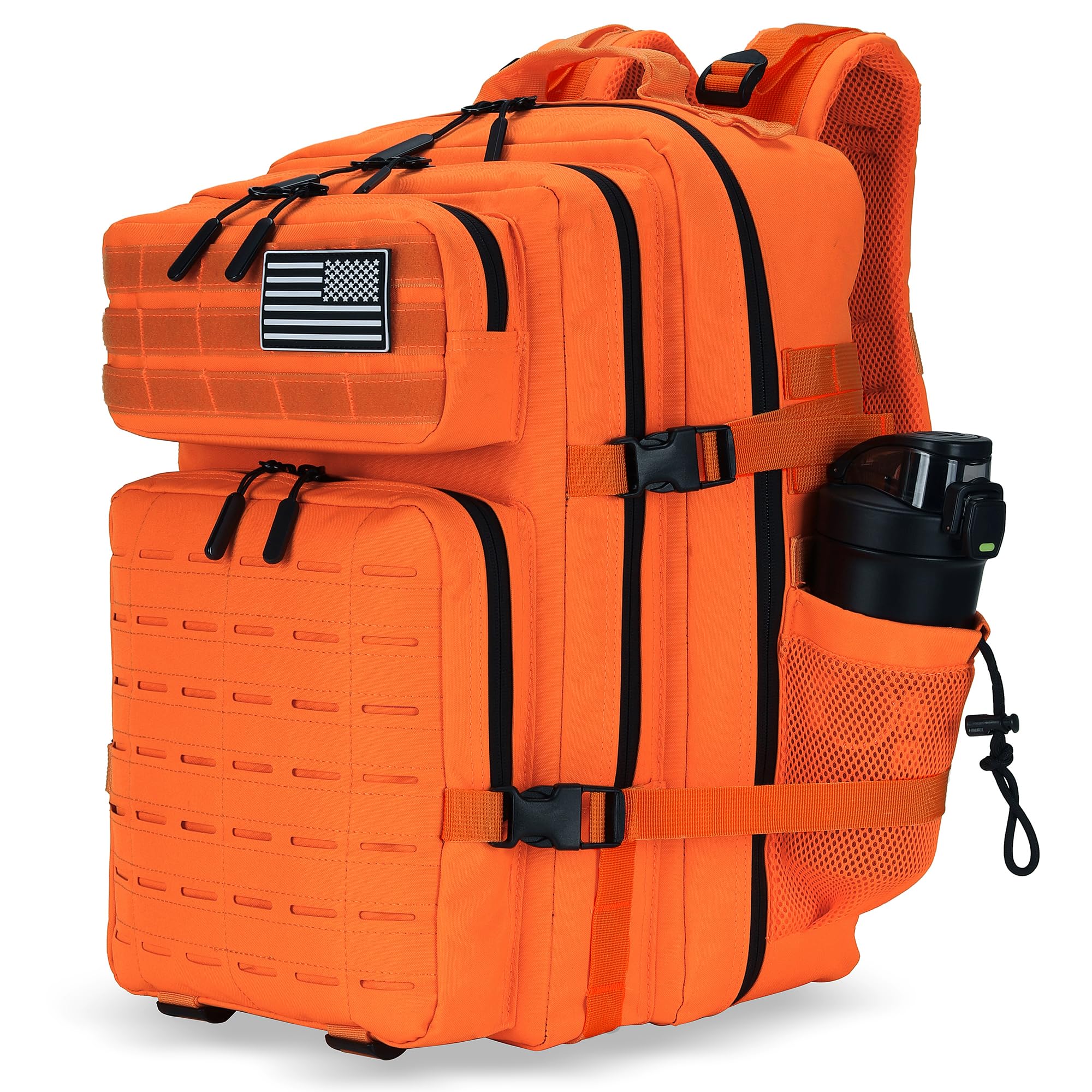
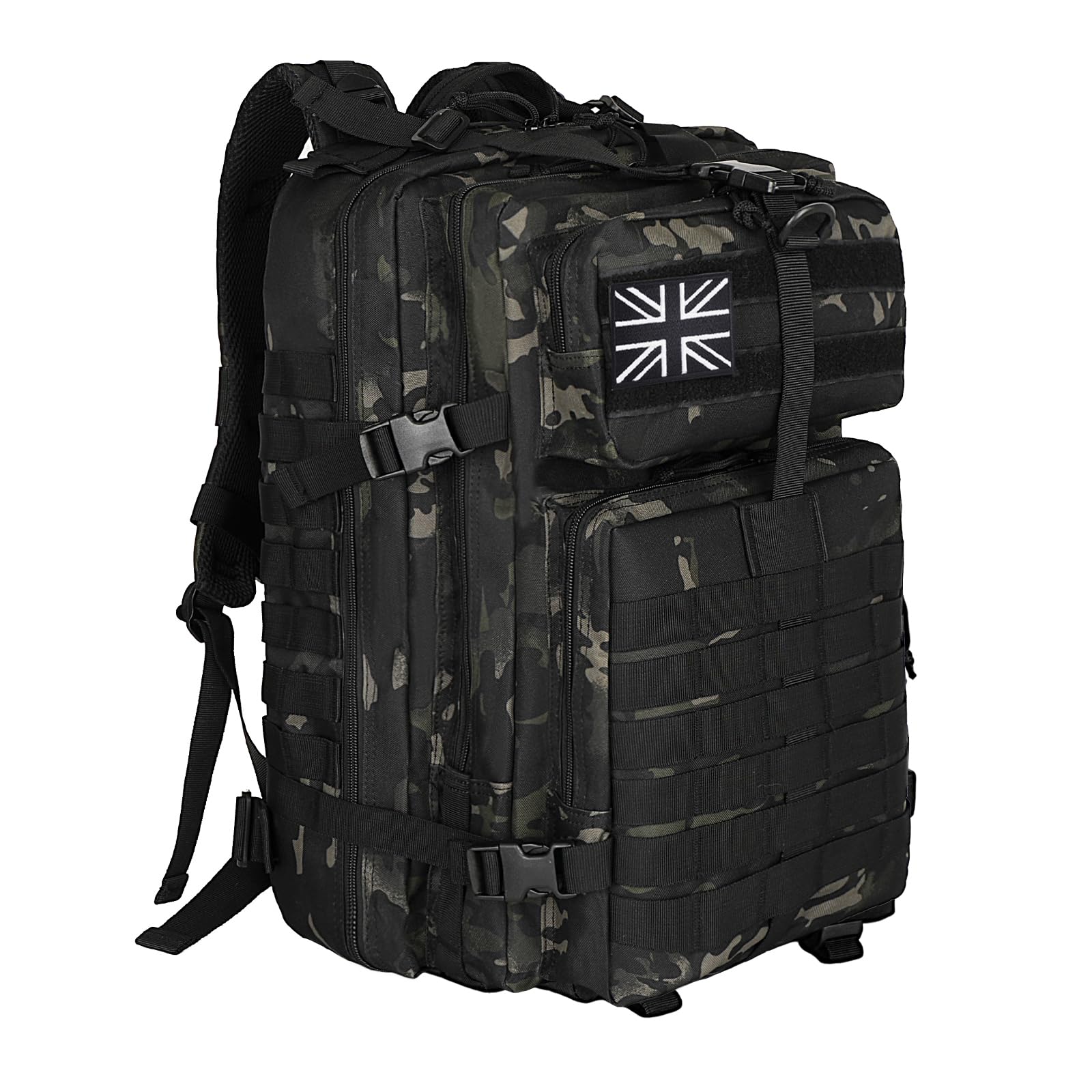
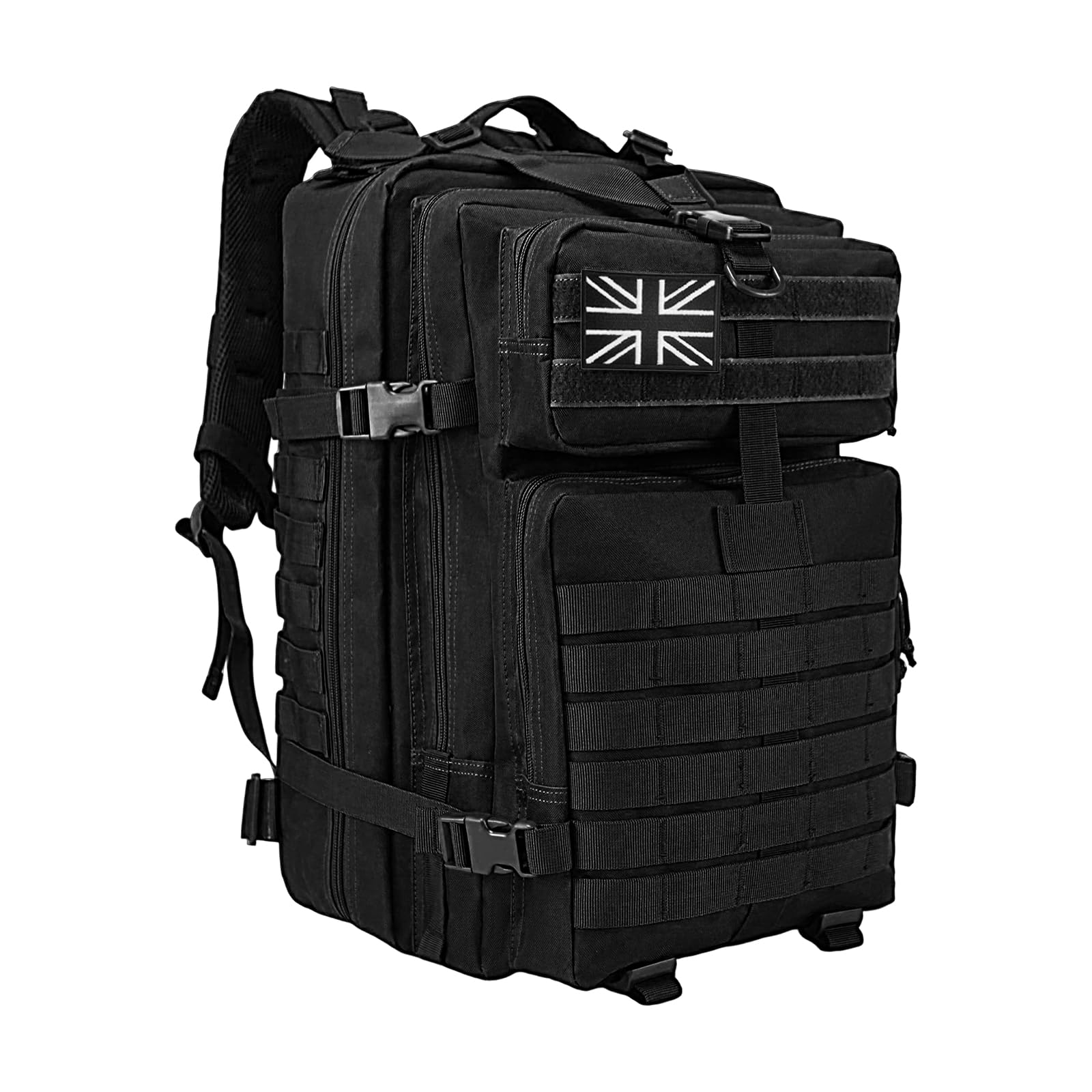
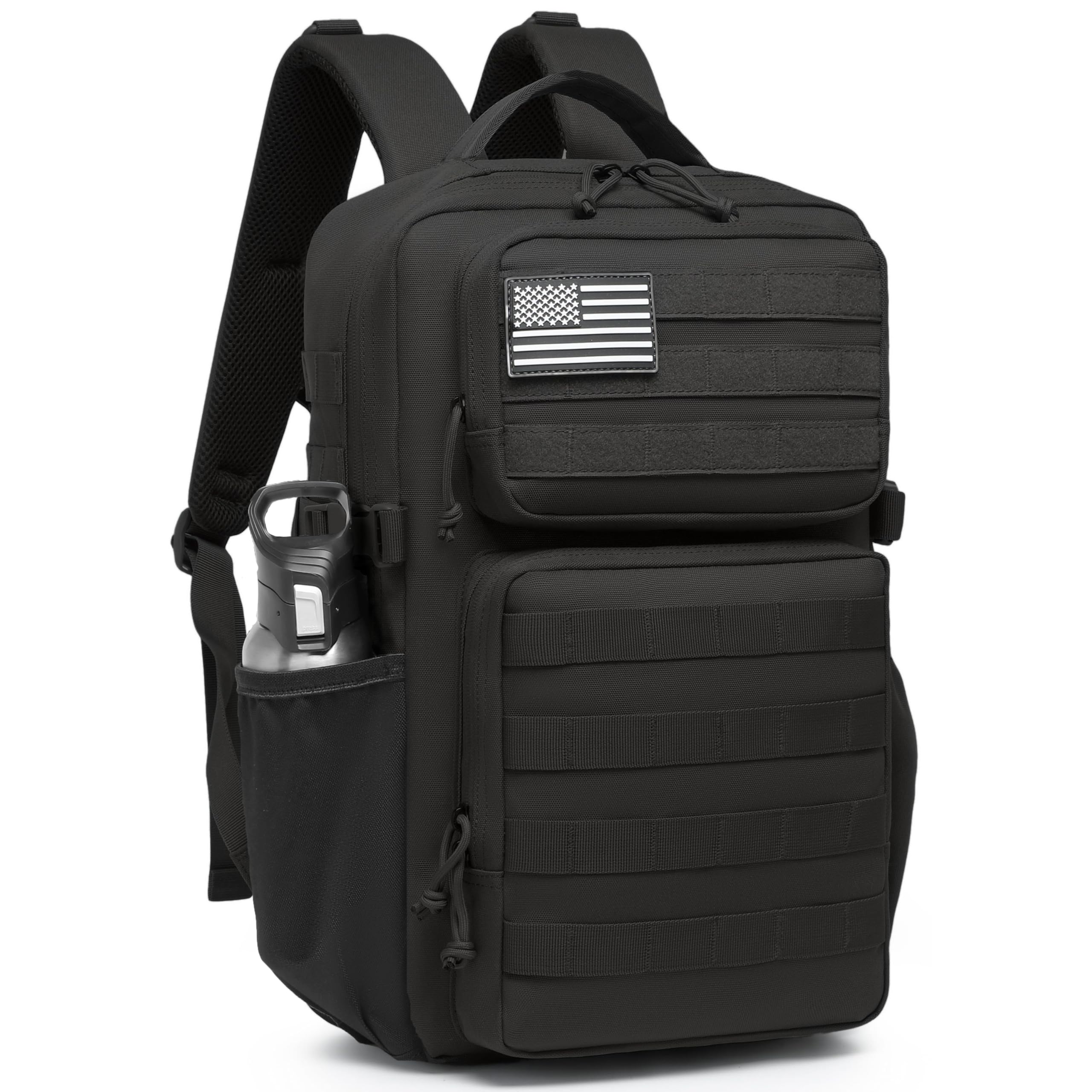
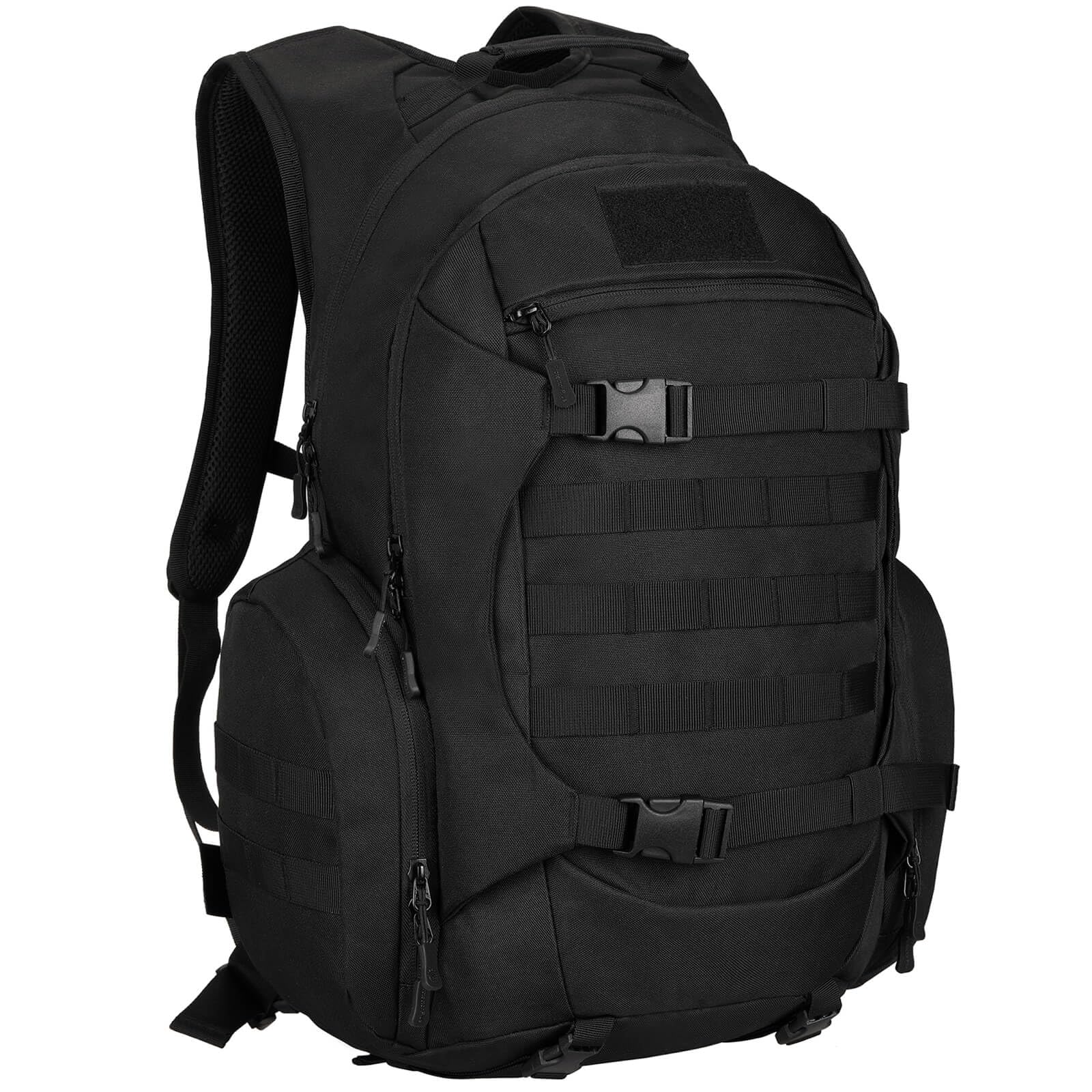
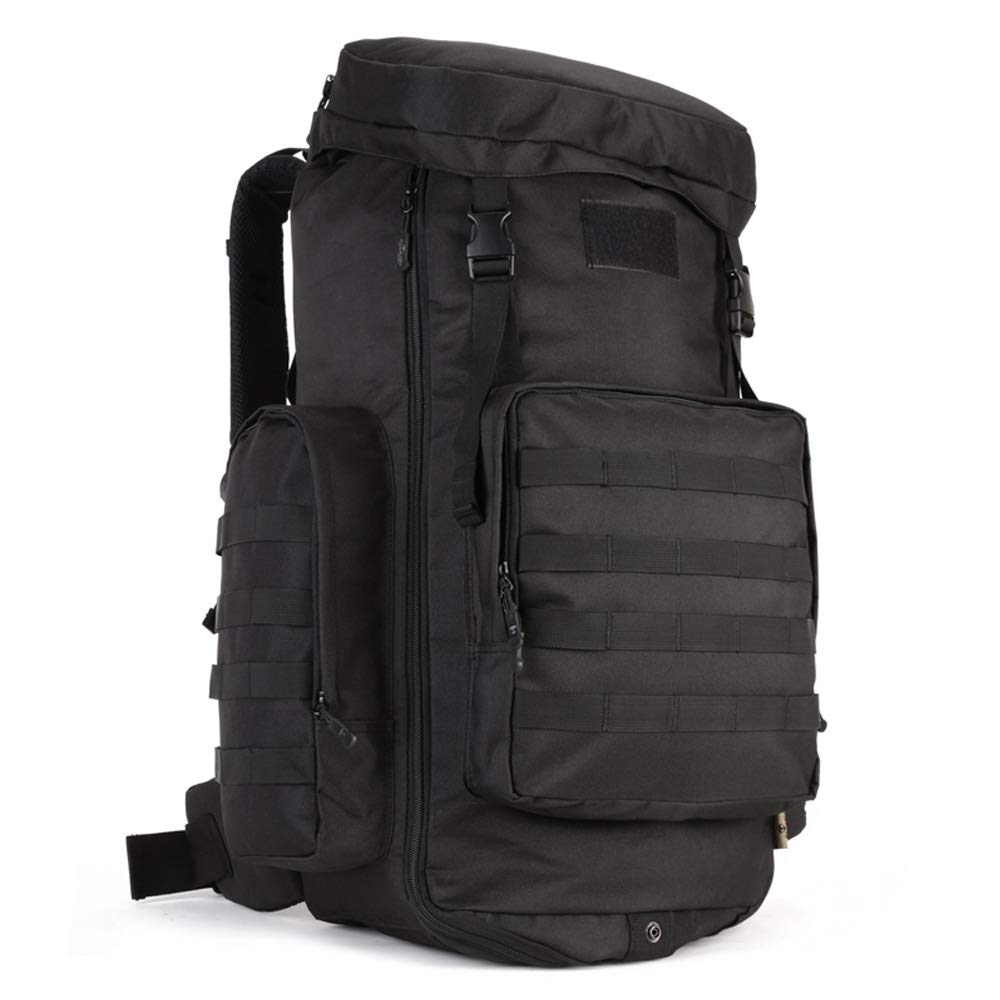
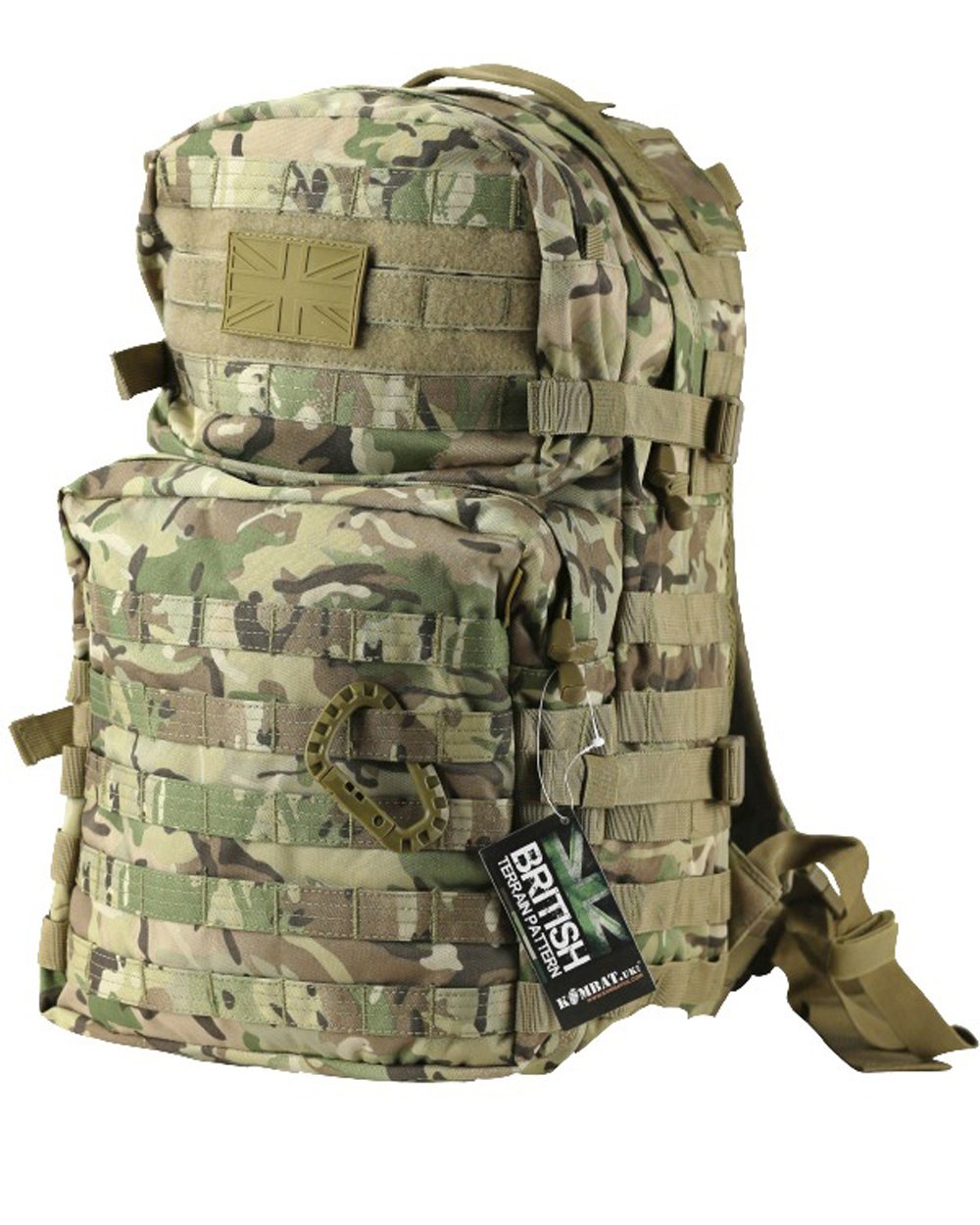
MOLLE stands for Modular Lightweight Load-carrying Equipment, and in practice it is the grid of stitched webbing across the front and sides. Pouches, a holster, a knife sheath or a first-aid kit thread onto it wherever you want them. It is the difference between a bag with fixed pockets and one you can reconfigure per trip. Every pack in this category carries it.
Fabric weight tells you the wear life
Most of this range is 600D or 900D Oxford or polyester. The D is denier — the thread weight. 600D is lighter and cheaper and perfectly fine for regular use; 900D is noticeably tougher and heavier and better if the pack is going to be dragged through undergrowth or thrown in a vehicle. Several here are coated for water resistance, which is not the same as waterproof: check the individual spec table.
Straps matter more as the pack gets bigger
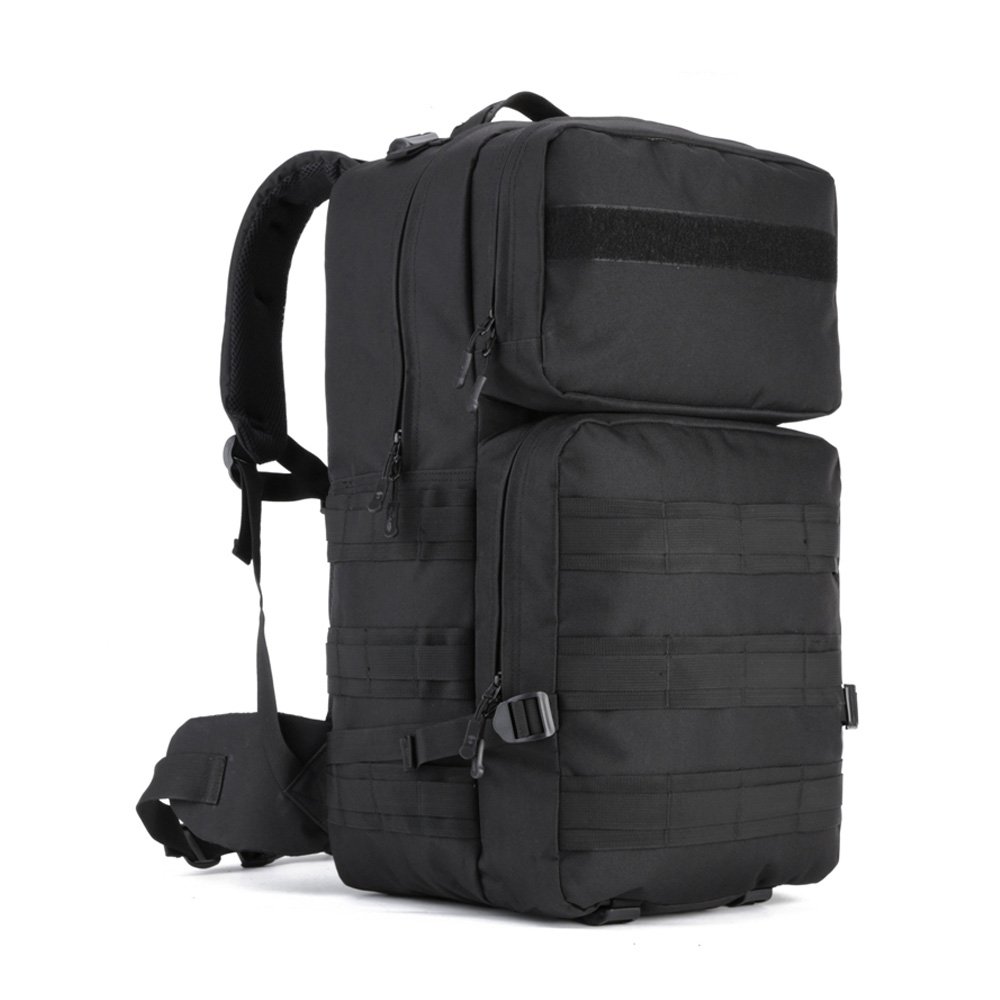
Under about 30 litres, shoulder straps alone are fine. Above that, a padded hip belt is doing most of the work — it moves weight off your shoulders and onto your hips, and its absence is what makes a big pack miserable. If you are buying 45 litres or more, treat the waist belt and sternum strap as requirements rather than extras.